You’ve heard of a bucket list?? It’s kind of like that, except for books. Only my list isn’t preconceived. I am a moody reader with eclectic tastes. I love classic literature, biographies, history, and everything in between.
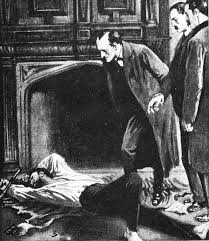
I’ve been a Sherlockian since junior high school, and have re-read the original tales numerous times. Four Sherlock Holmes novels were written by Sir Arthur Conan Doyle between 1887 & 1914. Of course he also wrote 56 short stories featuring Holmes, but we’ll talk about those in the future. For now let’s examine the novels.
A Study in Scarlet
I am a sucker for origin stories, and Scarlet is the genesis of the Holmes-Watson friendship. First published in 1887, it lays the foundation for everything we know about Sherlock Holmes…his physical features, his unique personality, his keen knowledge of certain subjects (and lack of familiarity with others), and the whole idea of deductive reasoning as it applies to crime solving specifically and assessing people & situations in general. Oh, and it also gives us the very first case that Holmes & Watson ever worked on together, as well as Dr. Watson’s first foray into chronicling their adventures. That mystery involves a double murder in which the catalyst is…of course…a woman. The middle section of the story takes us back to Salt Lake City a couple of decades earlier and promotes some rather harsh ideas about the Mormon religion. We must not overlook the success of A Study in Scarlet in stimulating the public appetite for Sherlock Holmes. He is a literary icon a century later in part because Scarlet provided such a great beginning.
The Sign of the Four
Three years after A Study in Scarletand a year before the first of the short stories was published came this little gem. The story revolves around the mysterious death of a British Army officer and the disappearance of the treasure that he had absconded with from India. There is much more exposition about Holmes’ methods, philosophy, & attitudes, and the latter portion of the tale features a thrilling boat chase down the celebrated River Thames. In the middle we get another flashback scene, which slows the momentum of the story, albeit not too badly. The client who initially hires Holmes is Mary Morstan, who quickly falls for Dr. Watson and would go on to become his wife…one of them anyway. The opening & closing scenes of The Sign of the Four allude to Sherlock Holmes’ disturbing cocaine habit, one of the few controversial aspects of the canon, especially thru the prism of modern sensibilities.
The Hound of the Baskervilles
In 1893, after two novels and 24 short stories, Sir Arthur Conan Doyle decided to kill off Sherlock Holmes. However, the public clamored for more of the world’s greatest detective and in 1901 Doyle relented with this novel, set before Holmes’ alleged death at Reichenbach Falls in a battle with his archenemy Moriarty. It tells the tale of the mysterious death of a wealthy aristocrat in the south of England, possibly at the paws of a fabled demonic dog that is part of an old family legend. A new heir is set to inherit the family estate and all that comes with it, but strange things are afoot and the young gentleman’s life may also be in danger. Dr. Watson accompanies Sir Henry Baskerville to his new digs and Sherlock Holmes is actually MIA for a big chunk of the story, but eventually he arrives on the scene to unravel the mystery. The eight year break must have treated Doyle well because the writing here is stupendous. Hound is set in October and the author effectively fashions the setting of a dreary, foreboding autumn. Doyle makes one want to stay far far away from a British moor. There are several interesting characters and the mystery is more nuanced than most other Holmes stories…a beautifully written, intricately woven mystery. Most of the action takes place away from 221B Baker St., but if a Holmes story must be located somewhere other than foggy old London then the lonely, dank, sinister moor on which the Baskerville estate rests is a worthy substitute. Hound is probably the most popular Sherlock Holmes story, and has been adapted many times on film. However, one cannot get the full effect any other way than by reading Conan Doyle’s evocative prose. I suggest reading Hound in the autumn just before Halloween, not only because that is the timeframe of the novel itself, but because it conjures a mood impeccably aligned with the season.Hound was so well received that Doyle went on to write 32 more short stories and an additional novel.
The Valley of Fear
The final Sherlock Holmes novel was written in 1914, and it is more unpredictable & fresh than some may believe. Holmes & Watson are dispatched to investigate the brutal murder of an English country gentleman who turns out not to be quite so dead. As with A Study in Scarlet, a big chunk of The Valley of Fear is a flashback story that takes us two decades prior, when the protagonist was an alleged violent hooligan in America and part of a secret society modeled after the real life Molly Maguires. However, he was actually an agent of the famed Pinkerton Agency sent to infiltrate the society and bring them to justice. Unfortunately justice isn’t always perfect and one of the society’s more ferocious members only gets a few years in prison, thereafter chasing our hero all over the globe, ending up in England. Valley is notable for its extensive exposition about Professor Moriarty, a character that has risen to the high honor of being thought of as Holmes’ archenemy despite only being alluded to in a handful of the canon’s stories. In this instance Moriarty’s assistance is apparently sought by evildoers in hunting down the protagonist. At first it looks like the good guys have won, but by the end we learn the tragic news that the malevolent Professor has gotten the job done, much to the chagrin of Sherlock Holmes. The mystery is well-conceived, with twists & turns that keep the pages turning, although the flashback section that is devoid of our favorite detective, his trusty sidekick, or any of the ambiance of Victorian England doesn’t feel like a Holmes story at all.
Yes West Virginia, there is a Santa Claus…or atleast there used to be a long time ago. Saint Nicholas was a 4th century clergyman in Turkey. He is the patron saint of sailors, merchants, archers, repentant thieves, children, brewers, pawnbrokers, & unmarried people, and is well known for his practice of secret gift giving. That very real bishop gave rise to the legend of Santa Claus (aka Kris Kringle, Jolly Old Saint Nick, Father Christmas, Pere Noel, Sinter Klaas, et al). As a central figure in our modern celebration of Christmas he is not without controversy, but unlike some of my Christian brothers & sisters I take no issue with Santa’s role in our merriment. I choose to see him as a friend & servant of Christ, spreading joy, generosity, & good cheer thru his interactions with children of all ages. Pop culture has embraced Santa Claus for centuries, and he ranks right up there with characters like Sherlock Holmes & Dracula in the countless times & ways he has been portrayed. In pondering that very subject I began thinking about all of the great & not so great depictions of Santa thru the years, and decided to present…..
from the home office in Santa Claus, IN…..
The Superfluous 7 Best (And Worst) Fictional Santa Clauses:
7 Worst – Santa Claus (Rudolph the Red-Nosed Reindeer)
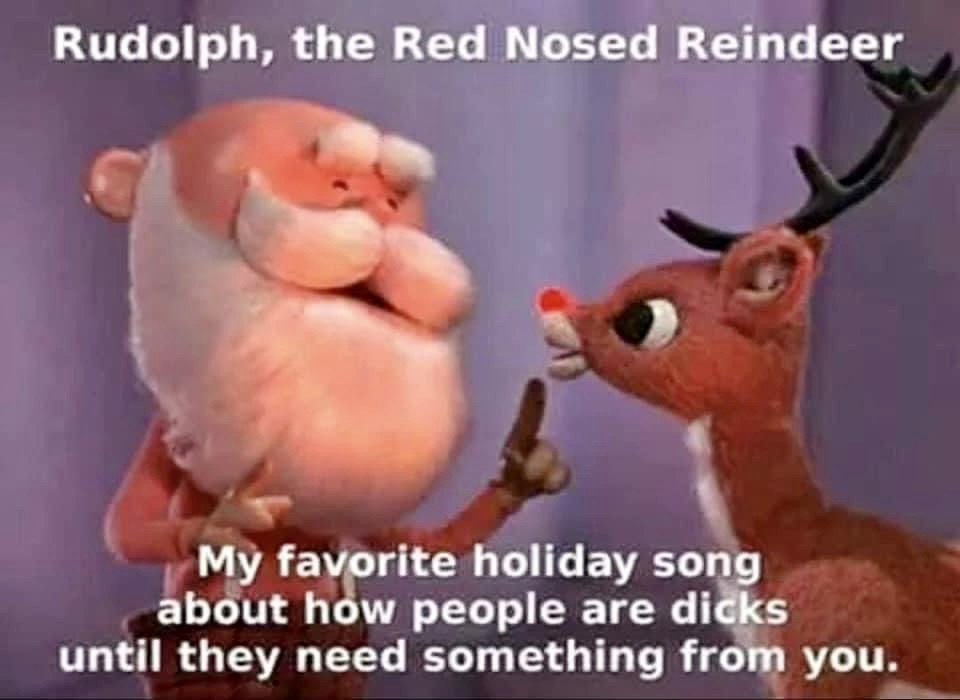
It is only thru the prism of adulthood that we begin to understand that this Santa is kind of an ass!! While it isn’t surprising that other reindeer bully Rudolph about his…physical deformity…we expect more from Santa, who essentially says the whole red nose thing might prevent Rudolph from making his sleigh team. But then the weather gets bad (as if snowstorms are rare at The North Pole 🤷🏻♂️) and, like so many of us flawed human beings, Santa suddenly warms up to Rudolph when he realizes that red nose just might be advantageous. In other words, Rudolph is disposable until Santa needs to use him, which is pretty disheartening.
Best – Santa Claus (Rudolph the Red-Nosed Reindeer)
For those of us of a certain age the Rankin-Bass stop-motion animated holiday specials produced in the 1960s & 70s are quintessential Christmas and represent a huge piece of our childhood. 1964’s Rudolph the Red-Nosed Reindeer was the first of those TV specials and is still shown annually a half century later. While Rudolph, Hermey the Elf, & Yukon Cornelius take center stage, The Jolly Old Elf is there as a supporting character, and, despite his questionable attitude, he is the first Santa many encounter on television as kids. He has the red suit, the full white beard, a deep booming voice, & the requisite “Ho Ho Ho!”.
6 Worst – Nick Claus (Fred Claus)
This one hurts because I freakin’ love Paul Giamatti. From his breakout role in Howard Stern’s Private Parts to the Andy Kaufman biopic Man on the Moon to portraying quirky writer Harvey Pekar in American Splendor to my personal favorite Sideways (a critically acclaimed yet underrated gem), Giamatti quietly became one of the most undervalued actors in Hollywood about two decades ago. It’s not that Giamatti is miscast as Sadsack Santa because vaguely depressed is kind of his wheelhouse, it’s the fact that characterizing Santa that way simply doesn’t feel right. Fred Claus isn’t a good movie to begin with, despite the presence of Vince Vaughn, Giamatti, & Oscar winner Kevin Spacey, but a milquetoast Santa with family drama who gets bullied by a bitter efficiency expert (🤔🤷🏻♂️👀) isn’t the least bit amusing. To top it off, Santa is unable to deliver gifts on Christmas Eve due to a back injury, so it’s up to his slacker brother to get the job done. And I’m supposed to laugh??
Best – The Norelco Santa Claus
From 1961-89 it was an annual tradition for Norelco (a division of electronics conglomerate Philips) to hawk their electric razor with a commercial featuring Santa Claus. This Santa didn’t say anything, he just zoomed thru snow covered hills utilizing an electric shaver head as a sleigh while a voiceover detailed the latest razor on the market that you might want to gift Dad, Grandpa, or any other man on your list. The irony of a full-bearded Santa shilling for a razor never occurred to me back then, and now those commercials (thankfully available on YouTube) provide a healthy dose of nostalgia, which becomes a huge part of the Christmas experience as one grows older.
5 Worst – Higbee’s Santa (A Christmas Story)
“Find a job you enjoy doing and you will never work a day in your life” is a quote I’ve seen attributed to both Mark Twain & Confucius, but the truth is that the vast majority of adults hate their job. We have bills to pay & oftentimes families to support, so you do what you have to do. Nobody embodies this ethos more than the department store Santa in our favorite 1983 holiday classic. In his brief time on screen he moans about possibly having to work overtime, shows utter disdain for the children standing in line to see him, grows impatient with a very nervous Ralphie, and literally kicks the boy in the face. Far from the jolly, kindhearted, magical elf we think of Santa being, this version is just Joe Sixpack anxiously awaiting the end of his shift, probably so he can go home, smoke a bowl, watch some porn, and eat a bologna sandwich with mustard dripping all over his wifebeater.
Best – Kris Kringle (Santa Claus is Comin’ to Town)
I love a good origin story, and this is the best explanation of all things Santa. Another well done Rankin-Bass production, it shows how a baby named Claus is abandoned, then found & raised by a family of toymakers named Kringle. When he grows up Kris volunteers to deliver toys to children in nearby Sombertown, ruled by the malevolent Burgermeister Meisterburger. Kris meets & falls in love with schoolteacher Jessica, who eventually becomes Mrs. Claus. He is forced to go down chimneys & leave toys in stockings after Meisterburger orders a lockdown (must be a Democrat). Jessica asks the Winter Warlock for help in freeing an imprisoned Kris, and he does so by feeding magic corn to reindeer, enabling them to fly. While in hiding Kris grows a beard, marries Jessica, & builds a toy empire at The North Pole. He decides that he’ll deliver gifts on one special night each year…Christmas Eve. It’s quite neat to have questions surrounding the Santa mythos answered, and seeing him grow from a baby to a red haired young man to the white-haired old man in a red suit we all know & love is delightful.
4 Worst – Emo Santa (The Year Without a Santa Claus)
Men are infamous whiners when we fall ill, but this dude takes the cake. Voiced by the legendary Mickey Rooney, this Santa Claus just isn’t feeling the good vibes or appreciation that he expects, so he sends forth the decree that Christmas is cancelled. It is this sort of thing that makes a lot of religious folks dislike Santa, as if he has the ultimate authority to cancel Christmas. Hollywood notoriously avoids focusing on the true Reason for the Season, something I reluctantly made peace with long ago. However, to insinuate that Santa Claus is in charge of the entire holiday is a bit much. And really, the guy isn’t even physically sick. He’s desperately seeking validation & an ego boost, and perhaps suffers from Seasonal Affective Disorder. He should ask himself for some Vitamin D pills or a Sunlight Therapy Lamp for Christmas.
Best – The Coca-Cola Santa Claus
Coca-Cola’s signature red & white colors sync perfectly with Santa Claus, right?? However, it wasn’t always that way. If you look at visual depictions of Santa from the early 20th century or before how he looks varies widely. Sometimes he’s tall & thin, other times (in tune with his role as the Jolly Old Elf) he is seen as…well, elf size. He might be wearing the long & flowing robes of a typical bishop, or even military gear. When Coke began using Santa in advertising campaigns in the 1930s they hired illustrator Haddon Sundblom to create a warm & friendly Santa with rosy cheeks, an amiable smile, & that twinkle in his eye. He appears as a full-grown man with an ample mid-section. Sunblom’s Santa became the standard, and his nostalgic drawings can still give one all the feels.
3 Worst – The Santas That Killed Grandma & Kissed Mommy
I Saw Mommy Kissing Santa Claus (recorded in 1952 by 13 year old Jimmy Boyd) and Grandma Got Run Over By A Reindeer (recorded by Elmo & Patsy in 1979) are two of the most enduring novelty songs of the holiday season, and I can’t stand them. Despite the title of the song, the kid’s drunken grandmother didn’t technically get killed by reindeer. The lyrics even indicate that the corpse had “incriminating Claus marks on her back” and warns “they should never give a license to a man who drives a sleigh and plays with elves”. Santa should’ve been arrested for vehicular manslaughter!! The other song is only marginally better. No one dies, but a child seeing Mom play tonsil hockey with Santa is likely going to need therapy. He thinks Dad will get a good laugh out of his wife being a skank, but that’s probably way too optimistic.
Best – Scott Calvin (The Santa Clause Trilogy)
I love the origin story of The Santa Clause. Rather than having Santa be one guy who magically lives forever it is depicted as a role that one person takes over when the previous portrayer dies. It makes a lot of logical sense. Scott Calvin is just an Average Joe, a middle-aged divorced Dad navigating associated pitfalls like custody issues & the ex wife’s new boyfriend, all while working 9 to 5 as an executive for a toy manufacturer (convenient). The whole deal with Santa falling off the roof is a little weird, but we soon forget it once Scott & his young son Charlie are transported to The North Pole. When Scott fully embraces his new life and becomes ensconced in the ultimate dream job it is truly magical. It’s a very modern perspective on the Santa Claus mythology, but with just enough notes of enchantment to make it special.
2 Worst – Willie T. Soke (Bad Santa)
Y’all know how much I love Christmas movies. Whether it’s a Santa Claus story, wacky family hijinks, or one of the plethora of adaptations of Dickens’ A Christmas Carol, I’m always ready to jump onboard the Holiday Film Train. That being said, while I realize there are folks who absolutely love this “modern classic” from 2003, I’m not one of them. Willie is another mall Santa, but he’s even worse than the guy from A Christmas Story because he & his “elf” sidekick are pulling a long con…working at the mall until right before Christmas, then cleaning out the safe. But wait, there’s more!! Not only is Santa Willie a thief, he’s also a drunken, foul mouthed nymphomaniac who has sex with women in the mall dressing room & parking lot. On top of all that he is befriended by a mentally challenged young boy who he proceeds to take advantage of throughout the film. I’m no prude, and enjoy the occasional dark comedy, but come on man…this movie makes Die Hard look like a rom-com. They actually produced a sequel about five years ago, and it’s less amusing than the original.
Best – St. Nick (A Visit from St. Nicholas)
Published anonymously in the Troy Sentinel newspaper in 1823, it wasn’t until almost fifteen years later that Clement Clark Moore claimed authorship. At the time Moore was a middle-aged professor at a New York City seminary. The poem is very descriptive and solidified the Santa Claus persona, creating the perception most everyone has of him to this day. The idea that he is “jolly”. He rides a flying sleigh pulled by eight reindeer (and he gives us their names!!). He arrives on Christmas Eve and comes down the chimney. The twinkling eyes, jiggly belly, white beard, & rosy cheeks. It’s a beautiful story, one that many parents read to their children on Christmas Eve. I have always opined that anything…books, music, film & TV, etc…that we are still enjoying decades after its initial release deserves respect, and in this case we’re talking about a poem & a vivid interpretation of Santa Claus that has stood the test of time for two centuries.
1 Worst – Billy Chapman (Silent Night Deadly Night)
When I was a teenager our church had an active & tightly knit youth group. We shared some awesome times, one of those being our annual Progressive Dinner during which we’d have appetizers at one house, salad at the next, then go to another place for an entree, and finally end up at the home of our youth leaders for dessert. We’d stay there quite late, eating junk food, playing cards, and watching movies (oh to be a teen again). On one of these delightful evenings we watched a slasher film in which a young boy witnesses his parents get carjacked & murdered by Santa Claus. Billy ends up in an orphanage, grows up with…issues (shocker)…and becomes a murderous Santa himself. Look, I know that there are people who love this kind of thing, but horror films have never been my cup o’ tea, and involving Santa in such craziness, while undeniably creative, just isn’t entertaining. Surprisingly enough the movie birthed four sequels, and I think they’re going to remake the original.
Best – Kris Kringle (Miracle on 34th Street)
The first Christmas movie I watch every year actually begins its story on Thanksgiving, at the Macy’s Parade in NY City. When the man originally hired by the department store to portray Santa Claus is found intoxicated, kindly old Kris Kringle is Johnny On-the-Spot and takes over the gig. Along the way he befriends his world weary boss, her precocious daughter, & a quixotic attorney who is sweet on the single Mom. After claiming to be the REAL Santa the good-natured old man finds himself in a looney bin then on trial. Edmund Gwenn won the Academy Award for Best Supporting Actor for his portrayal of Kris Kringle, and of all the Santas ever seen on the big screen his is simply the best. He makes you want to believe that Santa Claus could actually be real.
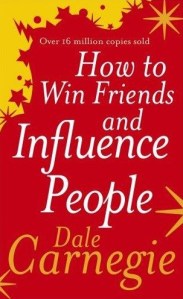
While preparing this concluding segment of the series I couldn’t help but ponder if winning friends & influencing people is even a goal for the masses anymore. It seems to me that we live in a society where the vast majority of folks are, at the very least, egotistical to the point of being bulls in a china shop in an effort to get ahead and promote their own agenda, or worse, oftentimes proud of purposely irritating others just to prove a point. My mother & maternal grandmother always said “you get more flies with honey than vinegar”, and I think that is a good summary of Dale Carnegie’s ideas. He just happened to expand upon the thought and suggest some specifics to achieve the goal. At any rate, I hope anyone who has read my summary of Carnegie’s techniques will a) read the book in its entirety, and b) apply what you learn in real life situations. On balance I believe you will find it to be a positive in your life.
If you don’t want to upset others “begin with praise and honest appreciation”. It is always easier to listen to unpleasant things after we have heard some praise. A barber lathers a man before he shaves him. Sometimes you can get everything you want without even asking for it. Beginning with praise is like a dentist who begins their work with Novocain.
Of course there are times when one must take steps to correct a situation, and when that time comes it is best to “call attention to people’s mistakes indirectly”. Simply altering one little word can make the difference between failure & success in changing people without offending them or causing resentment. The forbidden word is “but”. Change the word “but” to “and”, which will call attention to behavior we want to change indirectly and make the person want to live up to expectations. Calling indirect attention to a person’s mistakes works wonders with sensitive people who might resent direct criticism.
One way to soften the blow of criticism is to “talk about your own mistakes before criticizing the other person”. It isn’t nearly as difficult to listen to comments about your own faults if the other person humbly admits that they aren’t perfect themselves. If a few sentences of humbling oneself and praising the other party can turn things around in a tense situation imagine what humility & praise can do in our daily lives.
We should also “ask questions instead of giving direct orders”. Give suggestions not orders, and provide people an opportunity to do things themselves so they can learn from their mistakes. Save a person’s pride and give them a feeling of importance, which will encourage cooperation instead of rebellion. Resentment caused by a brash order may last for a long time. Asking questions not only makes an order more palatable, it stimulates creativity. People are more likely to accept an order if they have a part in the decision making process.
In anything resembling a confrontation it is important to “let the other person save face”. We tend to ride roughshod over others’ feelings. We want to get our own way, find fault, issue threats, and criticize without considering the hurt it causes to other people’s pride. Thoughtful consideration & genuine understanding goes a long way. Consider the negative effects of fault finding versus the positive effects of letting others’ save face. Even if we are right and the other person is definitely wrong we only destroy their ego by causing someone else to lose face. We have no right to say or do anything that diminishes a person in their own eyes. It doesn’t matter as much what you think of a person as what they think of themselves. Don’t ever hurt another person’s dignity.
In contrast to criticism we should “praise heartily”. Again, think of your favorite pet. Why don’t we use the same common sense when trying to change people that we use when trying to change dogs?? Use meat instead of a whip. Use praise instead of condemnation. Praise improvement, which inspires further improvement. Praise is like sunlight to the human spirit, and we cannot grow without it. History is replete with the sheer witchery of praise. When criticism is minimized and praise emphasized the good things people do are reinforced while the bad things will atrophy from lack of attention. Praise becomes much more meaningful when specific accomplishments are singled out in contrast to general flattering remarks. We all crave appreciation, recognition, & praise and will do almost anything to receive it, but when it is specific it feels more sincere. Nobody wants insincere flattery. Compared with what we ought to be we are oftentimes only half awake and making use of only a small amount of our physical & mental resources. We live far within our limits and habitually fail to use all of our powers. If we can inspire people to a realization of the hidden treasures they possess we can help transform those individuals. All of us have the ability to praise people and inspire them with a realization of latent possibilities. Abilities wither under criticism but blossom with encouragement.
Another thing that we can do is “give the other person a fine reputation to live up to”. The average person can be led readily if you have their respect and show that you respect their abilities. If you want a person to improve in a certain aspect act as though that particular trait is already one of their strengths. Shakespeare advised to “assume a virtue if you have it not”. Assume & state openly that a person has the virtue that you want them to develop. Give them a reputation to live up to and they will make prodigious efforts rather than disappoint others. Oftentimes people are unaware of the treasures that lie within.
Closely related to not criticizing but a little more explicit is “using encouragement while making a fault seem easy to correct”. Telling a person that they are stupid or untalented or are doing something totally wrong destroys any incentive for improvement. Use copious amounts of encouragement. Make improvement seem possible, even easy. Let someone know that you have faith in them, that they have untapped potential. Doing so will stimulate an effort to excel.
Though it may not seem like an easy task to accomplish, “make a person happy about doing the thing you suggest”. Create the impression that by accepting a mission a person will be doing you a favor. Don’t give people time to feel unhappy. Change their thoughts in a positive direction. Be sincere. Don’t promise anything you cannot deliver. Put aside any benefits for yourself and focus on benefits to the other person. Be specific. Know exactly what it is you want or need from another person. Be empathetic. Always ask yourself what another person wants or needs. Consider the benefits a person may receive from doing what you ask and match them up with that person’s wants. When making a request of another person convey to them how they will benefit.
If you have not read the previous installments of this series you can easily catch up here, here, & here.
There…are you up to speed now?? Cool deal. I’ll spare you a loquacious and cut to the chase. You’re welcome.
First & foremost, we must understand that “the only way to get the best of an argument is to avoid it”. There is only one way to get the best of an argument: avoid it. You can’t win an argument…if you lose it you lose, and if you win it you lose. Making another person feel inferior & hurting their pride will only cause resentment. Benjamin Franklin…I think we can all agree a rather intelligent dude…said that “if you argue & rankle & contradict you may achieve victory, but it will be an empty victory because you will never receive your opponent’s good will”. Why prove to a person that they are wrong?? Is that going to make them like you?? Why not let them save face?? They didn’t ask for or want your opinion. Why argue?? Always avoid the acute angle. 9 times out of 10 an argument ends with each party more convinced than ever that they are absolutely right. Which wouldyou rather have…an academic, theatrical victory, or a person’s good will?? You can rarely have both. You may be absolutely right in your argument, but trying to change another’s mind is just as futile as if you were wrong. A misunderstanding is never ended by an argument. It is ended by diplomacy, tact, conciliation, & a sympathetic desire to see the other viewpoint. Abraham Lincoln once offered that “No man who is resolved to make the most of himself can spare time for personal contention. Still less can he afford to take the consequences, including the vitiation of his temper and the loss of self-control. Better give your path to a dog than be bitten by him in contesting for the right. Even killing the dog would not cure the bite.” When two people yell there is no communication…just noise & bad vibrations. Contrary to arguing we should welcome disagreement. Perhaps it is an opportunity to be corrected before a serious mistake is made. Distrust your instinct to be defensive. It may be you at your worst, not your best. Control your temper. You can measure the size of a person by what makes them angry. Listen first. Let the other person finish their thought. Don’t resist, defend, or debate…it raises barriers. Build bridges of understanding. Seek areas of agreement. Apologize for errors, which will reduce defensiveness in the other person. Sincerely promise to consider the other person’s ideas. Thank the other person for their interest. Anyone who takes time to disagree with you is interested in the same things you are. Postpone action in order to give proper time to think about the issue.
We should “never say ‘you’re wrong’”. Galileo advised that “you cannot teach a man anything…you can only help him find it within himself”. Nothing good is accomplished when telling a person that they are wrong. You only succeed in stripping them of their dignity. Show respect for the opinions of others. If you can’t be sure of being right atleast 55% of the time why should you tell other people they are wrong?? You can tell someone they are wrong by a look, an intonation, or a gesture just as eloquently as you can with words. If you tell someone they are wrong you have struck a direct blow at their intelligence, judgment, pride, & self-respect and they’ll want to strike back instead of changing their mind. We like to continue believing what we have previously accepted as truth. When others cast doubt on our assumptions it causes resentment and we seek excuses to cling to what we believe. Few people are logical. Most of us are biased and blighted with preconceived notions, jealousy, suspicion, fear, envy, & pride. If we are told we are wrong we resent the allegation and harden our hearts. We can be incredibly reckless in the formation of our beliefs yet become filled with illicit passion for them when someone proposes to rob us of their companionship. It is difficult in even the best conditions to change peoples’ minds, and a challenge arouses opposition, prompting the other person to want to go to battle. The word humility springs to mind. “My” is an important word in human affairs. Reckoning properly with it is the beginning of wisdom. Socrates humbly said that “one thing only I know, and that is that I know nothing”, an admission many have a hard time making. Nobody will ever object to you saying “I may be wrong…let’s examine the facts.” Begin that way even if you know for sure that you are right. It will stop an argument and inspire the other party to be just as fair & broad-minded as you are being. When we are wrong we may admit it to ourselves, but if others are trying to ram that fact down our throats we dig in. Only if we are handled gently and with tact might we eventually admit our error to others. Dr. Martin Luther King Jr. wisely opined that “I judge people by their own principles, not my own”.
Though it goes against our very nature one absolutely has to “admit when you are wrong”. If you are wrong admit it quickly & emphatically. Have the courage not to seek alibis. There is a degree of satisfaction in having the courage to admit when you’re wrong. It clears the air of guilt & defensiveness and oftentimes helps solve the original problem created by the error. When you condemn yourself the other person will nourish their self-esteem by taking the magnanimous attitude of showing mercy. If we know we face rebuke anyway, isn’t it better beat others to the punch and do it ourselves?? It is easier to listen to self-criticism than the condemnation of others. Eagerness to criticize yourself will take all the fight out of others. Any fool can try to defend their mistakes, but it gives one a feeling of exultation to admit their mistakes. When we are right we should try to win people gently & tactfully to our way of thinking, and when we are wrong we must be honest with ourselves. By fighting you never get enough, but by yielding you get more than you expected.
It helps to start out any interaction by learning to “begin in a friendly way”. Woodrow Wilson warned “if you come at me with your fists doubled I can promise you that mine will double as fast as yours”. Lincoln suggested “if you would win a man to your cause first convince him that you are his sincere friend”. People don’t want to change their minds. They can’t be forced or driven to agree. However, they may possibly be led to it by those who are ever so gentle & friendly. Friendliness always begets friendliness. Bulldozing, high pressure methods, and attempts to force opinions on others will not work. Gentleness & friendliness are always stronger than fury & force. Kindness, appreciation, and a friendly approach will make people change their minds more readily than all the bluster in the world.
An interesting technique is to “get the other person saying ‘yes, yes’ immediately”. Keep them from saying no. Don’t begin a conversation by discussing the things about which you differ…emphasize the things about which you agree. When a person has said no pride demands they remain consistent, so getting a number of yes responses right off the bat psychologically points the listener in a positive direction. People get a sense of their own importance by antagonizing others, but it doesn’t pay to argue. It is much more interesting & profitable to look at things from the other person’s point of view. Use the Socratic method – ask questions with which others have to agree. Keep on winning one yes after another. Keep on asking questions until others find themselves embracing a conclusion they might not have at the outset.
Remember what we said about being a good listener?? “Let the other person do a great deal of the talking”. Don’t do too much talking. Let the other person talk themselves out. Don’t interrupt. People won’t pay attention to you while they still have ideas they wish to express. Listen patiently and with an open mind. Even our friends would rather talk about their achievements than listen to us boast about ours. If you want enemies, outshine your friends, but if you want friends let your friends outshine you. When our friends excel us they feel important, but when we outdo them they will feel inferior & envious.
It may be difficult, but “let the other person feel that an idea is theirs”. You have much more faith in ideas you discover for yourself than in ideas that are handed to you on a silver platter. The best way to convert someone to an idea is to plant it in their mind casually. It is bad judgment to ram your opinions down the throats of others. It is wiser to make suggestions and let others figure out the proper conclusion. No one likes feeling like they are being sold something or being told to do something. We prefer to feel like we are doing things of our own accord. We like being consulted about our wishes & wants. Emerson acknowledged that “in every work of genius we recognize our own rejected thoughts…they come back to us with a certain alienated majesty”. Lao-tse put it another way, saying that “The reason why rivers & seas receive the homage of a hundred mountain streams is that they keep below them, thus they are able to reign over all the streams. So the sage wishing to be above men puts himself below them. Wishing to be before them he puts himself behind them, thus, though his place be above men they do not feel his weight, though his place be before them they do not count it an injury.”
Some great advice is to “try honestly to see things from the other person’s point of view”. Conversational cooperation is achieved when you show that you consider another person’s feelings & ideas as important as your own. Increase your tendency to think in terms of another’s point of view & see things from their angle as well as your own. People might be totally wrong…but they don’t think so. Any fool can condemn them, but only wise, tolerant, exceptional people will try to understand them. By becoming more interested in the cause we are less likely to dislike the effect. Contrast your interest in your own affairs with your mild concern about anything else and realize that everyone else feels the same way.
Closely related is “being sympathetic to the ideas and desires of others”. An answer such as “I don’t blame you one iota for feeling like you do. If I were you I’d feel the exact same way” will soften even the most hardhearted, cantankerous person. People who come to you feeling irritated deserve very little dishonor for their feelings. Pity them. Sympathize with them. Most everyone you meet is hungering & thirsting for sympathy. Give it to them and they will love you. Try to turn hostility into friendliness. Self-pity for misfortunes real or imagined is a universal practice, but controlling one’s temper and returning kindness in answer to an insult is very satisfying. You’ll have much more fun getting another person to like you than you get from telling them off. There is enormous value in sympathy as a way of neutralizing hard feelings. Sympathy is something human beings universally crave.
We should always attempt to “appeal to nobler motives”. Most of us are idealists at heart and prefer motives that sound good. Everyone you meet has a high regard for themselves and enjoys thinking of themselves as unselfish. A person usually has two reasons for doing something…one that sounds good and the real reason. The only sound basis on which to proceed is to assume that a person is being sincere, honest, and truthful. Most people are basically honest and want to live up to their obligations. They will react favorably if you make them feel like you consider them to be honest, upright, and fair.
An interesting piece of advice is to “dramatize your ideas”. Merely stating a truth isn’t enough. The truth has to be made vivid, interesting, & dramatic. You need to use showmanship.
And finally, we are also advised to “throw down a challenge”. Charles Schwab observed that “the way to get things done is to stimulate competition”. The desire to excel by meeting a challenge is an infallible way of appealing to a person’s spirit. All men have fears, but the brave put them aside and move forward. What greater challenge can be offered than the opportunity to overcome fear?? Being paid by itself does not bring together or hold good people. It is the game!! Money, benefits, and good working conditions are rarely the most motivating factors of a job. The prime motivator is usually the work itself. If it is exciting and interesting workers will look forward to doing it and doing it well. Every successful person loves the game…the chance for self-expression, the opportunity to prove their worth, the desire to excel, win, & feel important.
How to Win Friends & Influence People includes, in its intro, the following list of things that the book’s instruction will do for the reader:
* Get you out of a mental rut, giving you new thoughts, visions, & ambitions
* Enable you to make friends quickly & easily
* Increase your popularity
* Help you to win people to your way of thinking
* Increase your influence, prestige, & ability to get things done
* Enable you to win new clients & customers
* Increase your earning power
* Make you a better salesman & executive
* Help you to handle complaints, avoid arguments, and keep human contact smooth & pleasant
* Make you a better speaker & a more entertaining conversationalist
* Make the principles of psychology easy for you to apply in your daily contacts
* Help you to arouse enthusiasm among your associates
I’m not so much interested in the business angle myself, simply because I am at an age where my professional life is what it is and after nearly three decades in the workforce I am comfortable with how I handle myself & interact with others on the job. However, the potential benefits of learning Carnegie’s principles can easily be applied to personal relationships and general human interaction. If you haven’t checked out Fundamental Techniques in Handling People please do so at your leisure, but for now we move on to the next section.
First & foremost we must “become genuinely interested in others”. People are generally interested in themselves morning, noon, & night, but to be genuinely interested in other people is a most important quality. Once again we can look to the animal kingdom for guidance. A dog is the only animal that doesn’t need to work for a living. Hens must lay eggs, cows have to give milk, & birds have to sing. Dogs make their living by giving nothing but love. For us humans, we can make more friends in two months by becoming genuinely interested in other people than we could in two years by trying to get others interested in us. If we merely try to impress people and get them interested in us we will never have many true friends. People who are not interested in their fellow human beings have tremendous difficulties in life and oftentimes fail. All of us like people who admire us. We are interested in others when they are interested in us.
Secondly, though it seems like simplistic advice, “smile”. William Shakespeare wrote “there is nothing either good or bad, but thinking makes it so”. An ancient Chinese proverb warned “a man without a smiling face must not open a shop”. Greet people with animation & enthusiasm. Force yourself to smile. Act as if you are happy and that tends to make you happy. Actions & feelings go together. Actions speak louder than words, and smiling is an action. By regulating the action we can regulate the feeling. The path to cheerfulness is to sit up cheerfully and to act & speak as if cheerfulness was already present. The expression one wears on one’s face is far more important than the clothes they wear. People who smile tend to manage, teach, & sell more effectively, and they also raise happier children. There is far more information in a smile than a frown. Encouragement is much more effective than punishment. Conversely, an insincere grin doesn’t fool anybody and others resent it. The effect of a smile is powerful even when it is unseen. Your smile comes thru your voice. I used to be a supervisor at a telemarketing firm and I can confirm that this idea is absolutely true. People rarely succeed at anything unless they have fun doing it. You must have a good time meeting people if you expect them to have a good time meeting you. Everyone is seeking happiness. The one surefire way to find it is by controlling thoughts. Happiness doesn’t depend on outward conditions, it depends on inner conditions. It isn’t what you have, who you are, where you are, or what you are doing that determines happiness or unhappiness…it is what you think about. Abraham Lincoln said that “most folks are about as happy as they make up their minds to be”. Thought is supreme. Preserve a good mental attitude of courage, honesty, & good cheer. To think rightly is to create. A smile is a message of good will that costs nothing but creates much. It enriches those who receive it without impoverishing those that give it. It happens in a flash but the memory of it may last forever. It creates happiness in a home, fosters good will in business, and is a witness of friendship. It provides rest to the weary, daylight to the discouraged, and sunshine to the sad. It cannot be bought, borrowed, or stolen because it isn’t any good to anybody until it is given away.
Next, we learn the importance of knowing & using a person’s name. “A person’s name is the sweetest and most important sound to that person”. People are so proud of their name that they strive to perpetuate it at any cost, so remembering & honoring the names of friends & associates is one of the most obvious & important ways of gaining goodwill. The average person is more interested in their own name than in all other names on earth combined. Remembering & using names is a way of paying a subtle yet effective compliment. When I graduated from high school I had the person calling names simply say “Sam Mano”, while nearly everyone else had their full name announced. My father had given me the middle name Anthony (and of course the legal first name Samuel), meaning that my initials spell Sam, something that I’ve always considered a rather ingenious idea from dear old Dad. After the commencement ceremony my parents asked me why my full name hadn’t been used and I immediately realized my mistake. I’ve regretted it for nearly three decades. If you forget or misspell a name you have placed yourself at a significant disadvantage. Emerson stated that “good manners are made up of petty sacrifices. Many people don’t remember names because they don’t take the time & energy to concentrate so as to fix names indelibly in their mind. They are too busy and make excuses for not remembering names. Politicians know that “to recall a voter’s name is statesmanship, to forget it is oblivion”. Be aware of the magic contained in a name and understand that it is wholly & completely owned by that one individual. Their name sets that person apart and makes them unique.
We then learn that it is vital to “be a good listener & encourage others to talk about themselves”. An interesting conversationalist hardly says anything at all…they listen intently. Good listeners are preferred over good talkers. Unfortunately the ability to listen is a rare trait. Listening is one of the highest compliments we can pay anyone because nothing is more satisfying than having the exclusive attention of the person to whom you are speaking. To be interesting be interested. People are much more interested in themselves & their wants than they are the problems of others. If you want people to shun, despise, & laugh at you behind your back then don’t listen, talk incessantly about yourself, & constantly interrupt others. A person who does that is intoxicated with their own ego and drunk with self-importance. Listening is not mere silence, but a form of activity. Hear with your eyes as well as your ears. Listen with your mind and attentively consider what the other person is saying. Even the most strident critic will usually soften & be subdued in the presence of a patient, sympathetic listener. Many fail to make a favorable impression because they don’t listen attentively…they are too concerned with what they are going to say next. People don’t always want advice…sometimes they just want a friendly & sympathetic person to listen. People who talk only of themselves think only of themselves. They are hopelessly uneducated no matter what kind of degree they might hold.
We must “talk in terms of the other person’s interests”. Make yourself agreeable. The royal road to a person’s heart is to talk about the things they treasure most. Talking in terms of the other person’s interests pays off for both parties. Both lives are enriched by the interaction.
And finally, learn to “sincerely make the other person feel important “. The lives of many could be changed if only someone would make them feel important. There is one all important law of human conduct: always make others feel important. Almost all the people we meet feel superior in some way, and it is important to let them know that we sincerely recognize their importance. Remember The Golden Rule: “do unto others as you would have them do unto you”. If we obey that law we will almost never get into trouble, and the observance will bring with it countless friends & constant happiness. Frequently those who have the least justification for a sense of achievement boost their own ego with a nauseating show of conceit. If we’re so selfish that we can’t radiate a bit of happiness and show a little honest appreciation without wanting something in return we are doomed to justified failure. To do something for someone without them being able to do anything in return provides a feeling that lives on long after the act. Courtesy oils the gears of the monotonous grind of everyday life and is the hallmark of good breeding.
I mentioned in the introduction that How to Win Friends and Influence People is broken down into four sections. One of the things that I have always tried to consider since the inception of The Manofesto is readability. Very few people have the time or patience these days to read a 5000 word blog post no matter how insightful or fascinating it may be. I realize that I can be somewhat verbose on occasion, which goes directly against Shakespeare’s instruction that “brevity is the soul of wit”, so, atleast for this occasion, I am making an effort to break things down into more manageable pieces.
Carnegie first advises “don’t criticize, condemn, or complain”. Criticism & rebuke invariably fails. Criticism is futile because it puts others on the defensive, forces them to justify themselves, & wounds their pride. It hurts their sense of importance, kills ambition, & causes resentment. 99% of the time people won’t criticize themselves no matter how wrong they are. An analogy to pets that all of us can understand: animals rewarded for good behavior learn much quicker and retain more information than those punished for bad behavior. Human beings are hungry for approval but dread condemnation. We blame everybody but ourselves…it’s human nature. We are not creatures of logic…we are creatures of emotion with prejudices that are motivated by pride & vanity. Any fool can criticize…and most fools do. Conversely, it takes character & self-control to understand & forgive. Instead of condemnation we should try understanding, which leads to sympathy, tolerance, kindness, & forgiveness. Be anxious to praise but loathe to find fault.
The next technique we learn is to “give honest and sincere appreciation”. We all want approval, recognition, & a feeling of importance. We crave the stupendous power of sincere appreciation. Ralph Waldo Emerson stated that “every man is my superior in some way…in that I learn of him”. Emerson understood that human beings want the same basic things: health & preservation of life, food, sleep, money (and the things money can buy), the afterlife, sexual gratification, the well-being of our children, & a feeling of importance. The deepest urge in human nature is the desire to be great or important, but it is the most difficult need to satisfy. Anyone who fulfills that need for another will hold that person in the palm of their hand. Everything humans do is primarily motivated by two things: sex & the desire to be great. The desire for a feeling of importance distinguishes mankind from animals. How a person gets their feeling of importance defines who they are and determines their character. People can actually go insane seeking to find, in their insanity, the feeling of importance that has been denied to them in reality. Considering that, imagine what you can achieve by giving sane people honest appreciation. Everybody likes compliments. Everybody wants to be appreciated. Studies show that the main reason spouses stray and/or leave is a lack of appreciation. Appreciation is “legal tender that all souls enjoy”. Never underestimate the power of appreciation, confidence, & consideration. We crave it almost as much as we do food. People will do better work & put forth more effort under a spirit of approval than they ever will under a spirit of criticism. The only way to really get anybody to do anything is to make them want to do it. Kind words remain fond memories for years. Conversely, shallow flattery usually fails, doing more harm than good in the long run. Flattery is telling a person precisely what they think of themselves. It comes from the teeth and is cheap, insincere, & selfish, while sincere appreciation comes from the heart & is universally admired. Don’t be afraid of enemies who attack you…be afraid of friends who flatter you. We spend 95% of our time thinking about ourselves. If we stop thinking about ourselves & focus on the good points of others we won’t need to resort to flattery…we can show them genuine appreciation, one of the most neglected virtues of our daily existence.
And finally, Carnegies advises to “arouse an eager want”, opining that it is necessary to bait the hook to suit the fish. Henry Ford said that “the ability to see other peoples’ point of view as well as one’s own is the key to success”. We are all eternally interested in what we want, so the best way to influence people is to talk about what they want and show them how to get it. Every act we have done since the day we were born has been performed because we wanted something. Self-expression is the dominant necessity of human nature. Action springs from fundamental desire. Even many of the most educated people go thru life without ever discovering how their own mind functions. One who can arouse in others an eager want has the whole world with them, while those who cannot walk a lonely road. The world is full of self-seekers. Therefore, an individual who unselfishly tries to serve others is rare and has an enormous advantage over the self-seeker. We are interested in solving our own problems, and if a person can show us how they can help us do that we’ll be buying without them needing to sell us anything. People who can put themselves in the place of others and understand the workings of their minds won’t ever need to worry about their future.
I first read Dale Carnegie’s Winning Friends & Influencing People three decades ago as a young teenager. I was a nerdy kid with odd tastes in reading material, and the idea of making friends & being influential seemed pretty cool. I can’t honestly say that I have utilized Mr. Carnegie’s concepts in the ensuing years, atleast not intentionally. However, I would like to think that I learned a bit thru osmosis and have been using these techniques on some subconscious level. I recently decided, for no apparent reason, to re-read the book, and since I now have this forum to share my thoughts with the masses I am passing on the ideas within on to The Manoverse. You’re welcome.
In case you are curious…no, Dale Carnegie is not related to Andrew Carnegie (for whom Carnegie Hall in NY City & Carnegie-Mellon University in Pittsburgh is named). As a matter of fact, Dale Carnagey changed the spelling of his surname to capitalize on the prominence of the highly esteemed steel tycoon & philanthropist. Dale C. was a salesman of modest means who eventually began teaching courses in public speaking. He wrote How to Win Friends and Influence People in 1936, and eighty+ years later people are still reading it. Over 30 million copies have been sold, and it is universally regarded as one of the most influential books ever written. Dale Carnegie almost single-handedly created the self-help genre of books, which, depending on one’s perspective, is either a great thing or a sign that the end is near. I tend not to get too caught up in those kinds of books, but an occasional gem pops up, and this is definitely one of the best.
I suppose some might consider the ideas espoused by Carnegie a bit manipulative. However, he makes it very clear…more than once…that anyone who uses the skills he teaches must do so genuinely. Trickery & deceit may work temporarily, but at the end of the day such duplicity is better left to fictional villains on TV & in movies. Keep it real…if there is one major philosophy to take away from the book that might be at the top of the list. Of course there are moments (far too frequently for some of us) when what we are really thinking & feeling and what we’d like to actually say or do would certainly not accomplish the stated goals in the book’s title. It is precisely those situations in which the things taught by Carnegie come in handy. His ideas need to become more of a perpetual attitude & approach to social interaction, not a fraudulent hoax to get what we want. I have found it much easier in my life to be authentic & honest rather than keep track of a trail of lies that tend to multiply exponentially, and being a decent, kind, cooperative person is better for your health & well-being. Other people actually liking you is really just a nice bonus.
How to Win Friends & Influence People is broken down into four sections: fundamental techniques in handling people, ways to make people like you, winning people to your way of thinking, & changing people without giving offense or arousing resentment. In the interest of reading comprehension, good eye health, & old-fashioned reader satisfaction I think it is best to separate my contribution here into those four parts, and so I shall. Stay tuned.
Poetry is the spontaneous overflow of powerful feelings. It takes its origin from emotion recollected in tranquility. – William Wordsworth
I can’t honestly say that I’ve ever been a poetry kind of guy. Like anything else I consume…food, books, entertainment…I go thru various moods, bouncing from one thing to another as fancy strikes, but there are certain constants to which I always return, and poetry has never been one of those things for me. Having said that, I do occasionally dabble, atleast as a reader. And now I may be inspired to actually write poetry thanks to my friend Jennifer.
My college years remain, in my heart & soul, the best years of my life, and though I haven’t seen most of them in a couple of decades social media has allowed me to remain “friends” with many of those that were a part of my circle back then. One such person is Jennifer Saunders, who recently published a book of poetry called Invisible Tattoo. I am fortunate enough to have a job that requires my presence but little else, meaning that I spend my time there reading books & watching television. So on a quiet Friday night I decided to splurge on the $3 download and check out Jennifer’s book.
Aristotle called poetry “something more philosophical and of graver import than history”, while Pulitzer Prize winner Carl Sandburg defined it as “the synthesis of hyacinths & biscuits”. I think poetry means something different to everyone, and Invisible Tattoo is an intensely personal look into the author’s life & psyche. Knowing a bit about her journey made reading the book a little more…accessible…to me, but really many of the things she writes about are universal ideas to which everyone can relate. She explains the title of the book as alluding to “the impressions that experiences created on the inside”, which makes such beautiful sense. A cynic might more ominously describe the marks that life leaves us with as scars, but Jennifer isn’t misanthropic like that, which is part of her charm.
The poems that I connected with the most in the book are a set of about eight allusions to life in general. Butterfly uses one of nature’s loveliest creatures as an allegory for the ups & downs of life. The book’s titular poem talks about feeling stuck and, as I mentioned (because, in contrast to the author, I am a little nihilistic) the scars of life. By Myself speaks of the melancholy need for peace amidst chaos. The austerely titled Life is about confusion and dreams vs. reality. Mistake alludes to the bad decisions that reside in us all. Old vs. New compares the evolution of a small town to the transitions that we all go through. Syncopation of Life is an observation about busyness, the hustle & bustle of daily living. And finally, What Was Once Before Is Not Anymore is about change, the yin & yang of life.
A couple of poems are about growth. Caught talks about growing older, while Identity Lost uses the symbolism of a little girl’s love for ballet to talk about growing up, facing reality, and the idea that dreams may fade away but they rarely die.
Romance is in the air with Dark Horse, which speaks about meeting up with a lover, and Hide & Seek, centering on a dreamy kiss in a dark tunnel.
How Do I Know God Is Real? answers its own question and makes total sense.
Lucille, a dream about reuniting with a dead loved one at a church revival, and My Nana, in which the author remembers her late grandmother, are delicately lovely insights into the soul of a person whose family is a huge & important part of her.
Ray Bradbury would be proud of a set of poems that recognize the majesty of nature & space. Magic focuses on the awe inspiring moon, while Moon Walk speaks of its comforting peace. Midnight Storm sees a warm summer day turn into a dark, powerful, & beautiful tempest. Night gently expresses the feeling of drifting off to sleep on a quiet summer night. Spring is aptly titled and an appropriately charming depiction. Summer Blessing is about a pleasant summer day in the backyard. Sunrise is another self-explanatory & fittingly titled slice of life, while Sunset Over the Ohio River is a little more specific and elicited warm memories for me.
New Day compares people to books, and as a bibliophile who, as my friend The Owl says, “lives in a library”, I really enjoyed the comparison. The Book fits into the same category, as does the simply titled Words.
Soul Landscape contrasts darkness & light, while Self-Consumed speaks about selfishness and the need for companionship.
There are many other poems in Invisible Tattoo…these are just the ones that happen to resonate with me. I would encourage anyone looking for a quick, enjoyable read to hop on Amazon and either order a hard copy or download it onto your e-reading device. I hope Jennifer continues to write, whether that means more poetry or any other direction in which she is led to go.
Sometimes I surprise myself by the predilections that I develop seemingly out of the mist. I have always fancied myself somewhat of a renaissance man who is interested in a wide range of subjects, which I generally consider a positive though I have noticed over the years that truly successful people seem to have tunnel vision and a laser focus on their vocation of choice. At any rate, this “variety is the spice of life” attitude spreads to the bookshelves in The Bachelor Palace as well, where one can find biographies of Founding Fathers alongside the Harry Potter series, books about agricultural science & history on the same shelf as Hemingway, and Shakespeare sharing space with The Hunger Games.
At any rate I have…somewhat to my bewilderment…amassed quite a collection of baseball biographies. This is surprising to me because my feelings about baseball have been tepid at best for quite awhile, although as simple as it sounds and as trivial as it may seem to some I think the success thus far of the 2013 Pittsburgh Pirates has me on the verge of falling in deep like with our national pastime once again. However, I also think it wise to look a bit deeper because you see my bookshelves are not filled with recent biographies about contemporary players like Derek Jeter, Mike Piazza, John Smoltz, or RA Dickey. Cheating scandals & rampant drug use still cause me to be a bit jaded about the modern game of baseball. Instead what you’ll find lining the walls of The Bachelor Palace are tomes about hallowed names of yesteryear…Ruth, Aaron, Mays, Mantle, Maris, Musial.
If I could hope in the ol’ DeLorean and go back in time I think one of the places I might like to visit would be the world of baseball during its golden age. I’d like to catch some games at places like Ebbets Field or The Polo Grounds, see teams like The Gashouse Gang & The Whiz Kids, and watch Hall of Famers like Dizzy Dean, Pie Traynor, & Pee Wee Reese. Why?? That’s an excellent question that I may address more in depth at some other time. For now it will suffice to say that our collective bromance with this bygone era and the quintessential American game that helped define it seems eternal and that’s okay with me.
Which is all a longwinded precursor to me endorsing three excellent baseball biographies that I have read in years past and that are likely to be enjoyed by any baseball fan. There will be sequels on this particular topic, but I think it best to just whet your appetite right now with a few recommendations:
Unfortunately one of the most beloved Pittsburgh Pirates of all time died in a tragic plane crash on New Year’s Eve 1972 when I was just 2 months old. However, growing up as a Pirates fan and living just a couple of hours from Pittsburgh means that I have heard a lot about Roberto Clemente my entire life. The Pirates organization has done an excellent job of keeping his memory alive over the past 40 years and recognizing what a truly special talent he was. However, one need not be a Pirates fan to enjoy this first-rate biography about Clemente written by David Maraniss, whose biography about Green Bay Packers football coach Vince Lombardi called When Pride Still Mattered is still one of the best books of any genre I have ever read. That combined with my admiration for what I’d always heard about Clemente were what prompted me to purchase this book about 5 years ago. This is a well written & engrossing story that is reverent & respectful yet honest about its subject. Clemente was somewhat neurotic & sensitive and felt the weight of being a black latino superstar. He was often treated shabbily by the press but could give as good as he got. In other words Clemente was a flawed human being just like the rest of us. That being said, his nobility & kindness shines through as well. And the author doesn’t shortchange the baseball aspect of things. I sometimes feel as though Roberto Clemente is overlooked in discussions about the greats of the game, with only long time Pirates fans willing to reserve for him his proper place among the baseball immortals. The fact is that not only should Clemente rank right up there with the best that ever played game, but he could have been even better if not for various physical ailments that plagued him throughout life. This is a book that should be read not only by anyone who calls themselves a Pittsburgh Pirates fan, but also by everyone who loves the game of baseball.
When I was in college I had the opportunity to take a class about sports movies. Yes that really is a thing…and it was awesome. We watched Knute Rocke: All American (with future President Ronald Reagan as The Gipper), The Natural, and Rocky…among others. But I think my favorite may have been Pride of the Yankees starring Gary Cooper as Lou Gehrig. Most people know two things about Gehrig. They know that he was baseball’s “Iron Man”, having played in 2130 consecutive games between 1925 & 1939 (a record that stood for 56 years until Cal Ripken Jr. broke it in 1995), and they know that he died at age 37 from the debilitating muscle disease that now bears his name. But there is so much more to Gehrig and this book tells the story well. Many who have seen Pride of the Yankees may attribute the perception we have of Gehrig as a soft spoken, humble, down-to-earth guy to Gary Cooper’s wide-eyed, aw shucks, boy-next-door portrayal, but what the reader of Luckiest Man begins to understand is that Cooper’s portrayal was an extremely accurate representation of who Gehrig truly was. That’s not to say that Gehrig was perfect. He was a timid momma’s boy that didn’t mesh all that well with outgoing & gregarious teammate Babe Ruth and was caught in the middle of a lifelong tug-of-war between his mother and his wife that many more…forceful…men might have put the kibosh on pretty quick. But hey…we all have our issues, right?? The best endorsement I can give this book is that I am a lifelong hater of everything NY Yankees and because of the movie and this book I actually respect Lou Gehrig. You will too.
Joe DiMaggio : The Hero’s Life
Another Yankee?? Hmmm…maybe it’s just the modern day Yankees that I hate. If I had been around 60 years ago I might actually be a Yankee fan. Anyway, I remember when this biography came out about 13 years ago it was pretty controversial. Joltin’ Joe had always been a national treasure…a hero to Italian Americans, the apple of every girl’s eye, and the envy of every red-blooded male because of his graceful athletic skill and later his marriage to goddess Marilyn Monroe. Even in retirement he became the folksy pitchman for Mr. Coffee in the 1970’s & 80’s. But author Richard Ben Cramer lays waste to the DiMaggio mythos and exposes our hero as being yet another very flawed individual (I’m sensing a theme). The DiMaggio we read about here is an often petty, usually vain, sometimes bitter, frequently materialistic, largely unhappy man with an overinflated ego and a suspicious nature that had a negative impact on most of his personal relationships. The Hero’s Life is a stark reminder that just because someone can run fast, hit hard, or handle a ball with deft skill doesn’t mean they are a nice person. I suppose with guys like Barry Bonds, Lance Armstrong, Kobe Bryant, & Alex Rodriguez around we are all well aware of that fact, but it is interesting to realize that such phonies have been around for many many decades and fascinating to compare & contrast how technology doesn’t allow such individuals to hide their hypocrisy too well these days, whereas in DiMaggio’s time he & a complicit media were quite successful in creating a graceful, classy, refined image. Some may think Cramer’s book to be harsh or even malicious, but I generally found it to be insightful & fair. It is most definitely a page turner and a must read for every baseball fan.










 While preparing this concluding segment of the series I couldn’t help but ponder if winning friends & influencing people is even a goal for the masses anymore. It seems to me that we live in a society where the vast majority of folks are, at the very least, egotistical to the point of being bulls in a china shop in an effort to get ahead and promote their own agenda, or worse, oftentimes proud of purposely irritating others just to prove a point. My mother & maternal grandmother always said “you get more flies with honey than vinegar”, and I think that is a good summary of Dale Carnegie’s ideas. He just happened to expand upon the thought and suggest some specifics to achieve the goal. At any rate, I hope anyone who has read my summary of Carnegie’s techniques will a) read the book in its entirety, and b) apply what you learn in real life situations. On balance I believe you will find it to be a positive in your life.
 to unpleasant things after we have heard some praise. A barber lathers a man before he shaves him. Sometimes you can get everything you want without even asking for it. Beginning with praise is like a dentist who begins their work with Novocain.
 Of course there are times when one must take steps to correct a situation, and when that time comes it is best to
 other person”
 We should also
  ride roughshod over others’ feelings. We want to get our own way, find fault, issue threats, and criticize without considering the hurt it causes to other people’s pride. Thoughtful consideration & genuine understanding goes a long way. Consider the negative effects of fault finding versus the positive effects of letting others’ save face. Even if we are right and the other person is definitely wrong we only destroy their ego by causing someone else to lose face. We have no right to say or do anything that diminishes a person in their own eyes. It doesn’t matter as much what you think of a person as what they think of themselves. Don’t ever hurt another person’s dignity.
 In contrast to criticism we should
  you have their respect and show that you respect their abilities. If you want a person to improve in a certain aspect act as though that particular trait is already one of their strengths. Shakespeare advised to “assume a virtue if you have it not”. Assume & state openly that a person has the virtue that you want them to develop. Give them a reputation to live up to and they will make prodigious efforts rather than disappoint others. Oftentimes people are unaware of the treasures that lie within.
 Closely related to not criticizing but a little more explicit is
  thing you suggest”
 If you have not read the previous installments of this series you can easily catch up
  you rather have…an academic, theatrical victory, or a person’s good will?? You can rarely have both. You may be absolutely right in your argument, but trying to change another’s mind is just as futile as if you were wrong. A misunderstanding is never ended by an argument. It is ended by diplomacy, tact, conciliation, & a sympathetic desire to see the other viewpoint. Abraham Lincoln once offered that “No man who is resolved to make the most of himself can spare time for personal contention. Still less can he afford to take the consequences, including the vitiation of his temper and the loss of self-control. Better give your path to a dog than be bitten by him in contesting for the right. Even killing the dog would not cure the bite.” When two people yell there is no communication…just noise & bad vibrations. Contrary to arguing we should welcome disagreement. Perhaps it is an opportunity to be corrected before a serious mistake is made. Distrust your instinct to be defensive. It may be you at your worst, not your best. Control your temper. You can measure the size of a person by what makes them angry. Listen first. Let the other person finish their thought. Don’t resist, defend, or debate…it raises barriers. Build bridges of understanding. Seek areas of agreement. Apologize for errors, which will reduce defensiveness in the other person. Sincerely promise to consider the other person’s ideas. Thank the other person for their interest. Anyone who takes time to disagree with you is interested in the same things you are. Postpone action in order to give proper time to think about the issue.
 believe. Few people are logical. Most of us are biased and blighted with preconceived notions, jealousy, suspicion, fear, envy, & pride. If we are told we are wrong we resent the allegation and harden our hearts. We can be incredibly reckless in the formation of our beliefs yet become filled with illicit passion for them when someone proposes to rob us of their companionship. It is difficult in even the best conditions to change peoples’ minds, and a challenge arouses opposition, prompting the other person to want to go to battle. The word humility springs to mind. “My” is an important word in human affairs. Reckoning properly with it is the beginning of wisdom. Socrates humbly said that “one thing only I know, and that is that I know nothing”, an admission many have a hard time making. Nobody will ever object to you saying “I may be wrong…let’s examine the facts.” Begin that way even if you know for sure that you are right. It will stop an argument and inspire the other party to be just as fair & broad-minded as you are being. When we are wrong we may admit it to ourselves, but if others are trying to ram that fact down our throats we dig in. Only if we are handled gently and with tact might we eventually admit our error to others. Dr. Martin Luther King Jr. wisely opined that “I judge people by their own principles, not my own”.
 emphatically. Have the courage not to seek alibis. There is a degree of satisfaction in having the courage to admit when you’re wrong. It clears the air of guilt & defensiveness and oftentimes helps solve the original problem created by the error. When you condemn yourself the other person will nourish their self-esteem by taking the magnanimous attitude of showing mercy. If we know we face rebuke anyway, isn’t it better beat others to the punch and do it ourselves?? It is easier to listen to self-criticism than the condemnation of others. Eagerness to criticize yourself will take all the fight out of others. Any fool can try to defend their mistakes, but it gives one a feeling of exultation to admit their mistakes. When we are right we should try to win people gently & tactfully to our way of thinking, and when we are wrong we must be honest with ourselves. By fighting you never get enough, but by yielding you get more than you expected.
 It helps to start out any interaction by learning to
  conversation by discussing the things about which you differ…emphasize the things about which you agree. When a person has said no pride demands they remain consistent, so getting a number of yes responses right off the bat psychologically points the listener in a positive direction. People get a sense of their own importance by antagonizing others, but it doesn’t pay to argue. It is much more interesting & profitable to look at things from the other person’s point of view. Use the Socratic method – ask questions with which others have to agree. Keep on winning one yes after another. Keep on asking questions until others find themselves embracing a conclusion they might not have at the outset.
 Remember what we said about being a good listener??
  It may be difficult, but
  when you show that you consider another person’s feelings & ideas as important as your own. Increase your tendency to think in terms of another’s point of view & see things from their angle as well as your own. People might be totally wrong…but they don’t think so. Any fool can condemn them, but only wise, tolerant, exceptional people will try to understand them. By becoming more interested in the cause we are less likely to dislike the effect. Contrast your interest in your own affairs with your mild concern about anything else and realize that everyone else feels the same way.
 Closely related is
  Everyone you meet has a high regard for themselves and enjoys thinking of themselves as unselfish. A person usually has two reasons for doing something…one that sounds good and the real reason. The only sound basis on which to proceed is to assume that a person is being sincere, honest, and truthful. Most people are basically honest and want to live up to their obligations. They will react favorably if you make them feel like you consider them to be honest, upright, and fair.
 An interesting piece of advice is to
  that “the way to get things done is to stimulate competition”. The desire to excel by meeting a challenge is an infallible way of appealing to a person’s spirit. All men have fears, but the brave put them aside and move forward. What greater challenge can be offered than the opportunity to overcome fear?? Being paid by itself does not bring together or hold good people. It is the game!! Money, benefits, and good working conditions are rarely the most motivating factors of a job. The prime motivator is usually the work itself. If it is exciting and interesting workers will look forward to doing it and doing it well. Every successful person loves the game…the chance for self-expression, the opportunity to prove their worth, the desire to excel, win, & feel important.
 How to Win Friends & Influence People includes, in its intro, the following list of things that the book’s instruction will do for the reader:
 First & foremost we must
  thinking makes it so”. An ancient Chinese proverb warned “a man without a smiling face must not open a shop”. Greet people with animation & enthusiasm. Force yourself to smile. Act as if you are happy and that tends to make you happy. Actions & feelings go together. Actions speak louder than words, and smiling is an action. By regulating the action we can regulate the feeling. The path to cheerfulness is to sit up cheerfully and to act & speak as if cheerfulness was already present. The expression one wears on one’s face is far more important than the clothes they wear. People who smile tend to manage, teach, & sell more effectively, and they also raise happier children. There is far more information in a smile than a frown. Encouragement is much more effective than punishment. Conversely, an insincere grin doesn’t fool anybody and others resent it. The effect of a smile is powerful even when it is unseen. Your smile comes thru your voice. I used to be a supervisor at a telemarketing firm and I can confirm that this idea is absolutely true. People rarely succeed at anything unless they have fun doing it. You must have a good time meeting people if you expect them to have a good time meeting you. Everyone is seeking happiness. The one surefire way to find it is by controlling thoughts. Happiness doesn’t depend on outward conditions, it depends on inner conditions. It isn’t what you have, who you are, where you are, or what you are doing that determines happiness or unhappiness…it is what you think about. Abraham Lincoln said that “most folks are about as happy as they make up their minds to be”. Thought is supreme. Preserve a good mental attitude of courage, honesty, & good cheer. To think rightly is to create. A smile is a message of good will that costs nothing but creates much. It enriches those who receive it without impoverishing those that give it. It happens in a flash but the memory of it may last forever. It creates happiness in a home, fosters good will in business, and is a witness of friendship. It provides rest to the weary, daylight to the discouraged, and sunshine to the sad. It cannot be bought, borrowed, or stolen because it isn’t any good to anybody until it is given away.
 Next, we learn the importance of knowing & using a person’s name.
  hardly says anything at all…they listen intently. Good listeners are preferred over good talkers. Unfortunately the ability to listen is a rare trait. Listening is one of the highest compliments we can pay anyone because nothing is more satisfying than having the exclusive attention of the person to whom you are speaking. To be interesting be interested. People are much more interested in themselves & their wants than they are the problems of others. If you want people to shun, despise, & laugh at you behind your back then don’t listen, talk incessantly about yourself, & constantly interrupt others. A person who does that is intoxicated with their own ego and drunk with self-importance. Listening is not mere silence, but a form of activity. Hear with your eyes as well as your ears. Listen with your mind and attentively consider what the other person is saying. Even the most strident critic will usually soften & be subdued in the presence of a patient, sympathetic listener. Many fail to make a favorable impression because they don’t listen attentively…they are too concerned with what they are going to say next. People don’t always want advice…sometimes they just want a friendly & sympathetic person to listen. People who talk only of themselves think only of themselves. They are hopelessly uneducated no matter what kind of degree they might hold.
 We must
  could be changed if only someone would make them feel important. There is one all important law of human conduct: always make others feel important. Almost all the people we meet feel superior in some way, and it is important to let them know that we sincerely recognize their importance. Remember The Golden Rule: “do unto others as you would have them do unto you”. If we obey that law we will almost never get into trouble, and the observance will bring with it countless friends & constant happiness. Frequently those who have the least justification for a sense of achievement boost their own ego with a nauseating show of conceit. If we’re so selfish that we can’t radiate a bit of happiness and show a little honest appreciation without wanting something in return we are doomed to justified failure. To do something for someone without them being able to do anything in return provides a feeling that lives on long after the act. Courtesy oils the gears of the monotonous grind of everyday life and is the hallmark of good breeding.
 I mentioned in
  Criticism is futile because it puts others on the defensive, forces them to justify themselves, & wounds their pride. It hurts their sense of importance, kills ambition, & causes resentment. 99% of the time people won’t criticize themselves no matter how wrong they are. An analogy to pets that all of us can understand: animals rewarded for good behavior learn much quicker and retain more information than those punished for bad behavior. Human beings are hungry for approval but dread condemnation. We blame everybody but ourselves…it’s human nature. We are not creatures of logic…we are creatures of emotion with prejudices that are motivated by pride & vanity. Any fool can criticize…and most fools do. Conversely, it takes character & self-control to understand & forgive. Instead of condemnation we should try understanding, which leads to sympathy, tolerance, kindness, & forgiveness. Be anxious to praise but loathe to find fault.
 mankind from animals. How a person gets their feeling of importance defines who they are and determines their character. People can actually go insane seeking to find, in their insanity, the feeling of importance that has been denied to them in reality. Considering that, imagine what you can achieve by giving sane people honest appreciation. Everybody likes compliments. Everybody wants to be appreciated. Studies show that the main reason spouses stray and/or leave is a lack of appreciation. Appreciation is “legal tender that all souls enjoy”. Never underestimate the power of appreciation, confidence, & consideration. We crave it almost as much as we do food. People will do better work & put forth more effort under a spirit of approval than they ever will under a spirit of criticism. The only way to really get anybody to do anything is to make them want to do it. Kind words remain fond memories for years. Conversely, shallow flattery usually fails, doing more harm than good in the long run. Flattery is telling a person precisely what they think of themselves. It comes from the teeth and is cheap, insincere, & selfish, while sincere appreciation comes from the heart & is universally admired. Don’t be afraid of enemies who attack you…be afraid of friends who flatter you. We spend 95% of our time thinking about ourselves. If we stop thinking about ourselves & focus on the good points of others we won’t need to resort to flattery…we can show them genuine appreciation, one of the most neglected virtues of our daily existence.
 said that “the ability to see other peoples’ point of view as well as one’s own is the key to success”. We are all eternally interested in what we want, so the best way to influence people is to talk about what they want and show them how to get it. Every act we have done since the day we were born has been performed because we wanted something. Self-expression is the dominant necessity of human nature. Action springs from fundamental desire. Even many of the most educated people go thru life without ever discovering how their own mind functions. One who can arouse in others an eager want has the whole world with them, while those who cannot walk a lonely road. The world is full of self-seekers. Therefore, an individual who unselfishly tries to serve others is rare and has an enormous advantage over the self-seeker. We are interested in solving our own problems, and if a person can show us how they can help us do that we’ll be buying without them needing to sell us anything. People who can put themselves in the place of others and understand the workings of their minds won’t ever need to worry about their future.
 NY City & Carnegie-Mellon University in Pittsburgh is named). As a matter of fact, Dale Carnagey changed the spelling of his surname to capitalize on the prominence of the highly esteemed steel tycoon & philanthropist. Dale C. was a salesman of modest means who eventually began teaching courses in public speaking. He wrote How to Win Friends and Influence People in 1936, and eighty+ years later people are still reading it. Over 30 million copies have been sold, and it is universally regarded as one of the most influential books ever written. Dale Carnegie almost single-handedly created the self-help genre of books, which, depending on one’s perspective, is either a great thing or a sign that the end is near. I tend not to get too caught up in those kinds of books, but an occasional gem pops up, and this is definitely one of the best.
 I suppose some might consider the ideas espoused by Carnegie a bit manipulative. However, he makes it very clear…more than once…that anyone who uses the skills he teaches must do so genuinely. Trickery & deceit may work temporarily, but at the end of the day such duplicity is better left to fictional villains on TV & in movies. Keep it real…if there is one major philosophy to take away from the book that might be at the top of the list. Of course there are moments (far too frequently for some of us) when what we are really thinking & feeling and what we’d like to actually say or do would certainly not accomplish the stated goals in the book’s title. It is precisely those situations in which the things taught by Carnegie come in handy. His ideas need to become more of a perpetual attitude & approach to social interaction, not a fraudulent hoax to get what we want. I have found it much easier in my life to be authentic & honest rather than keep track of a trail of lies that tend to multiply exponentially, and being a decent, kind, cooperative person is better for your health & well-being. Other people actually liking you is really just a nice bonus.
 make people like you, winning people to your way of thinking, & changing people without giving offense or arousing resentment. In the interest of reading comprehension, good eye health, & old-fashioned reader satisfaction I think it is best to separate my contribution here into those four parts, and so I shall. Stay tuned.
 I can’t honestly say that I’ve ever been a poetry kind of guy. Like anything else I consume…food, books, entertainment…I go thru various moods, bouncing from one thing to another as fancy strikes, but there are certain constants to which I always return, and poetry has never been one of those things for me. Having said that, I do occasionally dabble, atleast as a reader. And now I may be inspired to actually write poetry thanks to my friend Jennifer.
 haven’t seen most of them in a couple of decades social media has allowed me to remain “friends” with many of those that were a part of my circle back then. One such person is Jennifer Saunders, who recently published a book of poetry called Invisible Tattoo. I am fortunate enough to have a job that requires my presence but little else, meaning that I spend my time there reading books & watching television. So on a quiet Friday night I decided to splurge on the $3 download and check out Jennifer’s book.
 Aristotle called poetry “something more philosophical and of graver import than history”, while Pulitzer Prize winner Carl Sandburg defined it as “the synthesis of hyacinths & biscuits”. I think poetry means something different to everyone, and Invisible Tattoo is an intensely personal look into the author’s life & psyche. Knowing a bit about her journey made reading the book a little more…accessible…to me, but really many of the things she writes about are universal ideas to which everyone can relate. She explains the title of the book as alluding to “the impressions that experiences created on the inside”, which makes such beautiful sense. A cynic might more ominously describe the marks that life leaves us with as scars, but Jennifer isn’t misanthropic like that, which is part of her charm.
 nature’s loveliest creatures as an allegory for the ups & downs of life. The book’s titular poem talks about feeling stuck and, as I mentioned (because, in contrast to the author, I am a little nihilistic) the scars of life. By Myself speaks of the melancholy need for peace amidst chaos. The austerely titled Life is about confusion and dreams vs. reality. Mistake alludes to the bad decisions that reside in us all. Old vs. New compares the evolution of a small town to the transitions that we all go through. Syncopation of Life is an observation about busyness, the hustle & bustle of daily living. And finally, What Was Once Before Is Not Anymore is about change, the yin & yang of life.
 A couple of poems are about growth. Caught talks about growing older, while Identity Lost uses the symbolism of a little girl’s love for ballet to talk about growing up, facing reality, and the idea that dreams may fade away but they rarely die.
 and Hide & Seek, centering on a dreamy kiss in a dark tunnel.
 How Do I Know God Is Real? answers its own question and makes total sense.
 church revival, and My Nana, in which the author remembers her late grandmother, are delicately lovely insights into the soul of a person whose family is a huge & important part of her.
 Ray Bradbury would be proud of a set of poems that recognize the majesty of nature & space. Magic focuses on the awe inspiring moon, while Moon Walk speaks of its comforting peace. Midnight Storm sees a warm summer day turn into a dark, powerful, & beautiful tempest. Night gently expresses the feeling of drifting off to sleep on a quiet summer night. Spring is aptly titled and an appropriately charming depiction. Summer Blessing is about a pleasant summer day in the backyard. Sunrise is another self-explanatory & fittingly titled slice of life, while Sunset Over the Ohio River is a little more specific and elicited warm memories for me.
 comparison. The Book fits into the same category, as does the simply titled Words.
 Soul Landscape contrasts darkness & light, while Self-Consumed speaks about selfishness and the need for companionship.

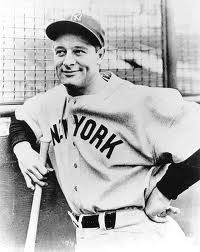


 The Manofesto