

In 2009 I created the Hall of Influence to honor those who have made some level of positive impact on my life. We last inducted new members into this exclusive club eight years ago. Not only has my life been altered in significant ways during that time, but the world at large has changed dramatically. This time of year I tend to be in sports mode and don’t contribute much else to The Manofesto. Actually, if I’m being totally honest, I haven’t been as productive here as I should’ve been for quite awhile. There are multiple reasons for that, but we don’t wallow in The Manoverse. I believe the best way to reverse a negative trend is with some positivity, so we shall begin that process by welcoming five new members to our HoI.

In the mid 1980s there was an anthology series on television called The Ray Bradbury Theater, but I never watched it. I knew nothing about Bradbury and the show didn’t sound like my cup o’ tea. In hindsight I realize how much our public schools fall short, because why in the hell had I barely heard of the man, much less read any of his stories?? I must give all the credit to my brother from another mother, The Owl, for introducing me to Bradbury in college. He let me borrow his copy of The Martian Chronicles, and my eyes were opened. Perhaps if I’d become acquainted with Ray Bradbury during my childhood not only would I have read all of the amazing tales, but I might have been inspired to follow his path as a writer, which began when he sold his first story at the age of 18. In a career that spanned seven decades Bradbury published more than two dozen novels and 600+ short stories, an eclectic smorgasbord of mystery, sci-fi, horror, and fantasy. He dabbled a bit in social commentary, but not in the heavy handed way we perceive that notion today. Bradbury’s purpose wasn’t to push an agenda or indoctrination of the masses. Instead, he aimed to make the reader think and allow us to feel. His works aren’t just meaningless frivolity, with contemplative outlooks on technology, nostalgia, and humanity. I’d be lying if I told you I’ve digested everything the man wrote, but in a strange way that makes me happy, because I can gleefully anticipate much enjoyment of the stories I have yet to read.
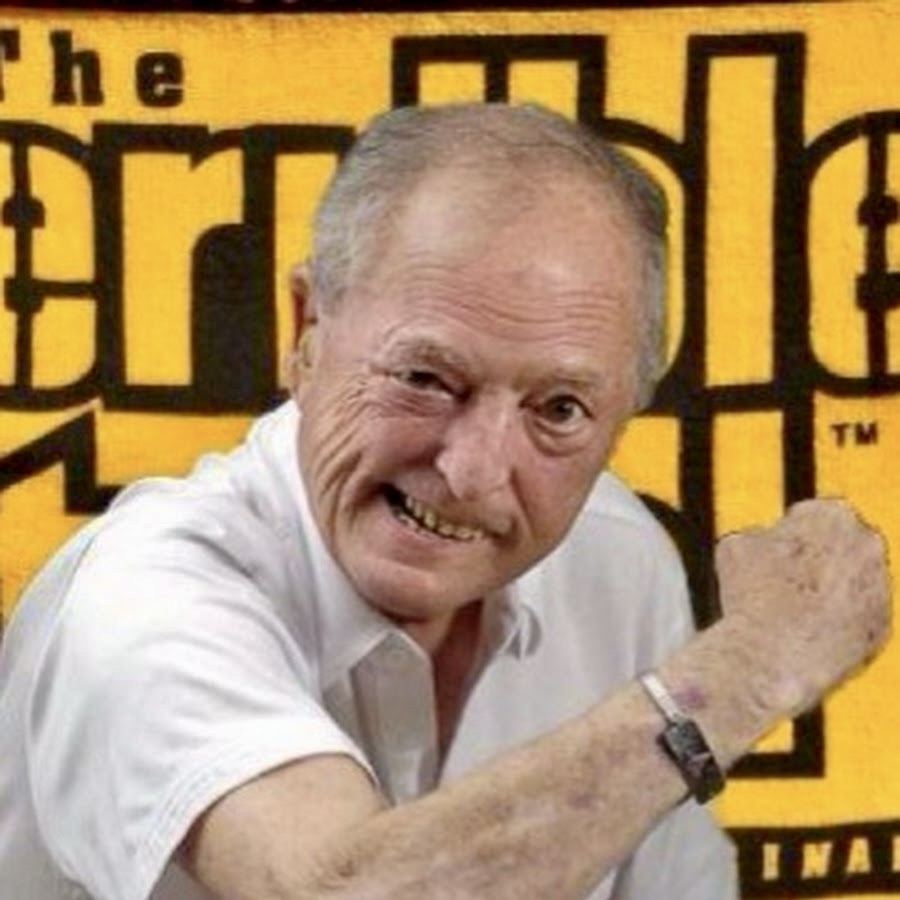
We don’t have any professional sports franchises here in West Virginia, so a large portion of the population where I am located grow up as fans of the Pittsburgh teams. Back in the day my cable system had all three local television stations in that market, and Myron Cope was a familiar face on WTAE Channel 4. He also did color commentary on Steelers radio broadcasts, and trust me when I say that “color commentary” is a vast understatement when it comes to Myron Cope. He had his own vernacular, which survives to this day, atleast amongst Steelers fans and Pittsburgh natives, along with a unique voice and an amusing twitchiness, as if he consumed way too much coffee on a daily basis. Think…Gilbert Gottfried, only genuine and not a comedic facade. Perhaps his best known contribution to the world is The Terrible Towel, a cost effective way for fans to show support of the team, conceived by Cope in 1975. Though his career began in the 1950s and included writing for the Saturday Evening Post and Sports Illustrated, Myron Cope’s rise in popularity coincided with the Pittsburgh Steelers becoming one of the cornerstone franchises of the NFL during the latter half of the 1970s, when I was just a little boy. He is an indelible part of my childhood.
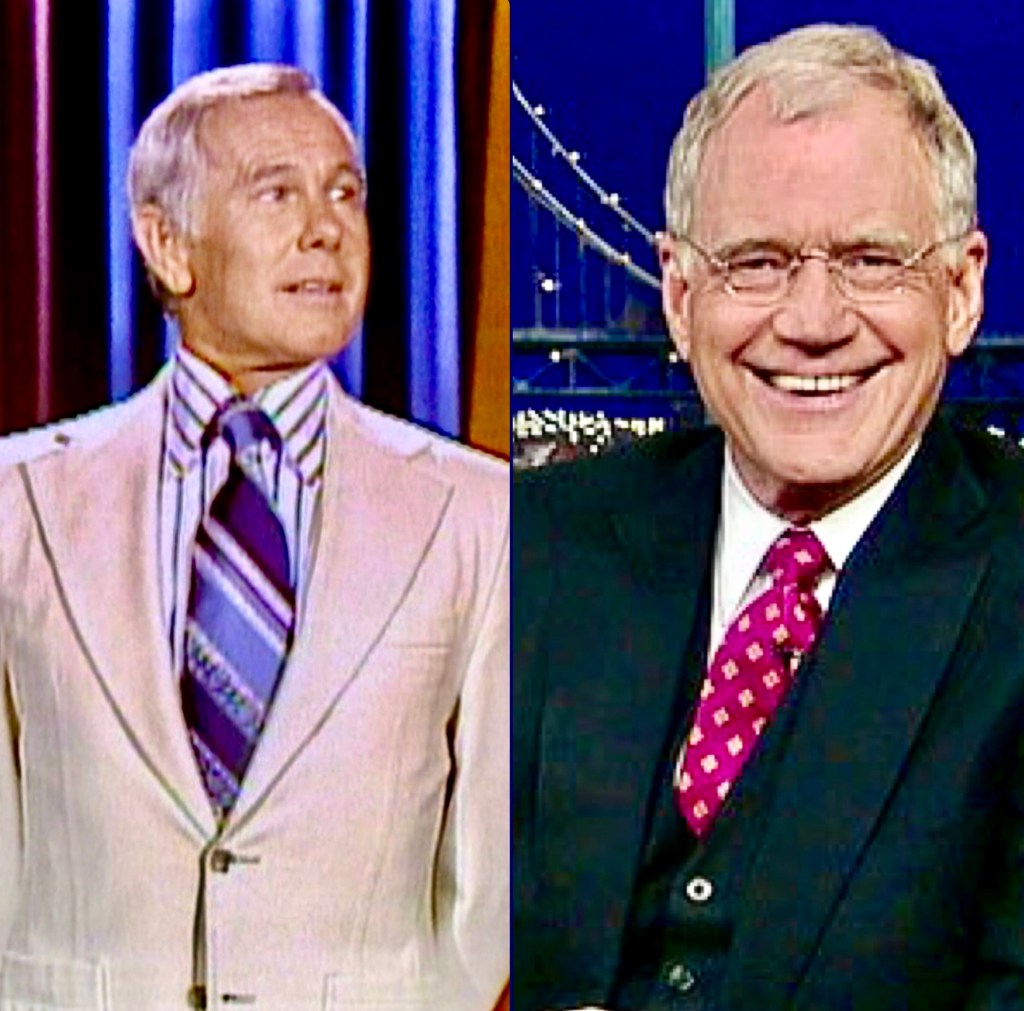
I have written about Carson and Lettermen elsewhere on this site, so I will refrain from being redundant. Suffice to say that late night television was never better than when these two men were essential entertainment for night owls. Their humor was not politically motivated or divisive. They focused on making everyone laugh. My father loved watching Johnny’s monologue and his bits with The Mighty Carson Art Players. Irreverent smartass Letterman was a huge part of the comedy landscape of my youth. Both were great interviewers whose guests were a potpourri of the requisite Hollywood stars promoting their latest project, funny comedians (these shows were particularly important launch pads for up n’ comers), and out of left field personalities…average folks who’d done something cool or had an unusual talent. Carson was especially funny interacting with children & old folks, while Lettermen had his finger on the pulse of the music scene and spun comedy gold from random people on the street. The current late night landscape pales in comparison, with every host being extremely poor wannabes that will never live up to the examples of Johnny & Dave.

My Grandma Pigott loved game shows. Whenever she was around we’d be sure to get a healthy dose of The Price is Right, Press Your Luck, Card Sharks, Family Feud, Name That Tune, Wheel of Fortune, et al. While many of those programs are charming in their own way, as I grew older Jeopardy! became my jam. Each game show is different. Some require luck. Some require skill. Jeopardy! requires knowledge & intelligence. Watching a convenience store clerk from Podunk BFE seize an opportunity to walk away with a brand new car or a cruise to Puerto Vallarta is fun, but watching an already successful person earn thousands of dollars because they are smart and know things is inspiring. At the helm for nearly forty years of the show’s run was Alex Trebek, whose low key demeanor & mellifluous tone added gravitas to the production (hilariously parodied by Will Ferrell on SNL). He was a key element without taking the focus away from contestants or the game itself. Sadly, Trebek died about four years ago, and though Jeopardy! continues on it’s just not the same. Thank you Alex Trebek for decades of memories.

Roger Ebert
Young people nowadays will never understand the influence that two nerdy Chicago film critics had on pop culture in the 80s & 90s. In the 21st century people are too arrogant & apathetic to give a rat’s ass what anyone else thinks, and if they are so inclined to seek information about movies they’re on the fence about spending money to see all they need to do is hop online where there is a plethora of opinions from countless sources. Four decades ago we didn’t have Rotten Tomatoes or the blogosphere. If we decided to skip seeing a movie it wouldn’t be on home video or HBO for atleast a year, unlike now, when we have streaming services providing access to movies that might actually still be playing at the local cineplex. Gene Siskel & Roger Ebert were writers employed by rival Chicago newspapers when someone got the idea to put them on television. Perhaps they were the first frenemies, although their contentious professional relationship felt more like it was played up in front of the camera, disguising real life deep respect & kinship. A double thumbs up/down could make or break a film, an idea that seems quaint years later, but what really came thru all the biting commentary & good-natured jabs at each other was a shared love of cinema, conveying the idea that sitting down with a bowl of popcorn & a beverage to watch a movie is a perfectly legitimate and maybe even enlightening way to spend one’s free time.
 The Manofesto