Before proceeding you might want to go back and check out Parts 1 & 2.
Tsundoku is a Japanese word that describes the act of acquiring books but letting them pile up in one’s home without actually reading them. I mentioned at the outset that I want to use this project as a jumping off point, because, sadly, I have become much more of a tsundokuist than a true bookworm. Thru the years I have wasted way too much time on social media or watching TV than I have reading, and I want that to change. To be honest I’ve been more amused & dumbfounded by the /lit/ list than anything, but the project has been stimulating and given me a few achievable goals. One of my many flaws is that I lack focus and need to be challenged, even if the provocation comes from within.
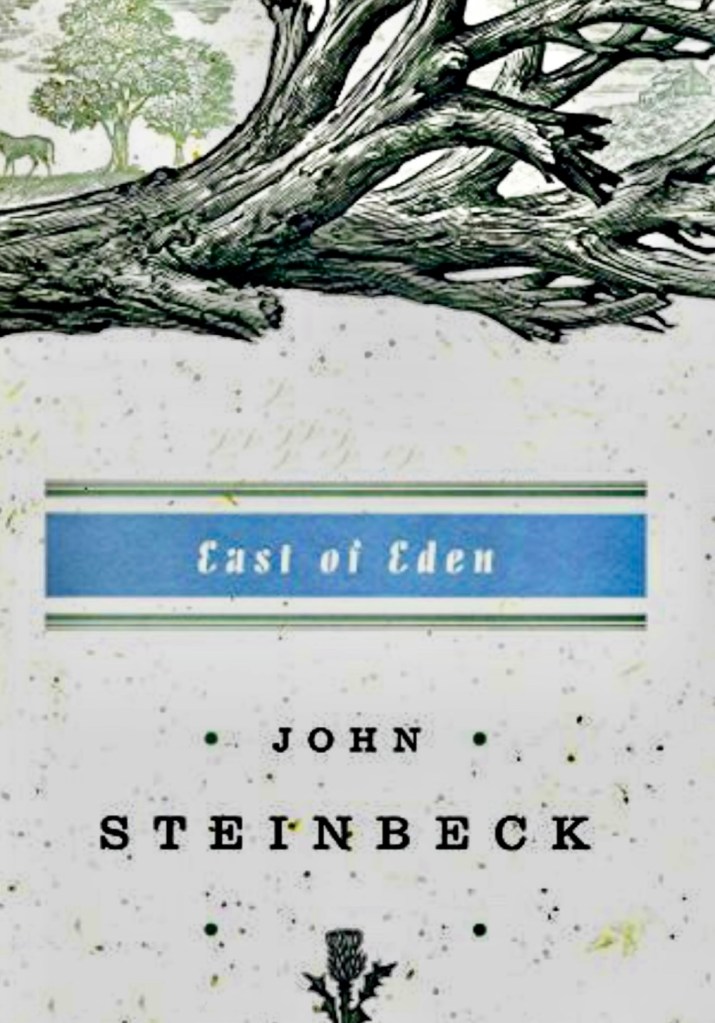
51 East of Eden / John Steinbeck
I’ve read some Steinbeck, but not this one. I will though. It is loosely inspired by the Biblical story of Cain & Abel, which sounds very cool.
52 The Savage Detectives / Roberto Bolaño
After reading the description I’m not sure what to think. Apparently there are poets and gangs and pimps. Ehhh. Never say never, but I’m not particularly intrigued. And to be honest, as I move thru this list I am puzzled by the number of allegedly “great” books I’ve never heard about, and all of the great books I know about that are nowhere to be found.
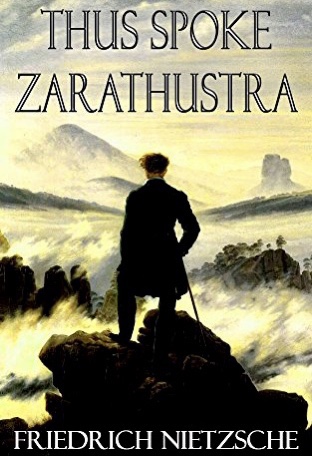
53 Thus Spoke Zarathustra / Friedrich Nietzsche
Philosophical fiction. Okay, that’s a new one. Apparently it’s based on Zoroastrianism, an ancient religion with “a dualistic cosmology of good & evil within the framework of a monotheistic ontology and an eschatology which predicts the ultimate conquest of evil by good, and exalts an uncreated & benevolent deity of wisdom known as its supreme being”. No…just, no.
54 The Count of Monte Cristo / Alexandre Dumas
I find it odd that Dumas’ more famous novel…The Three Musketeers…doesn’t make the cut. I am a chocoholic so I would much rather have a 3 Musketeers bar than a Monte Cristo sandwich (not that I’d turn one of those down though). Wait…we’re talking about books, aren’t we?? Anyway, it’s a revenge adventure set in mid-19th century Europe, and it is over 1000 pages long. Perhaps I’ll persuade myself to try it one day, but it’s not high on my list of priorities.
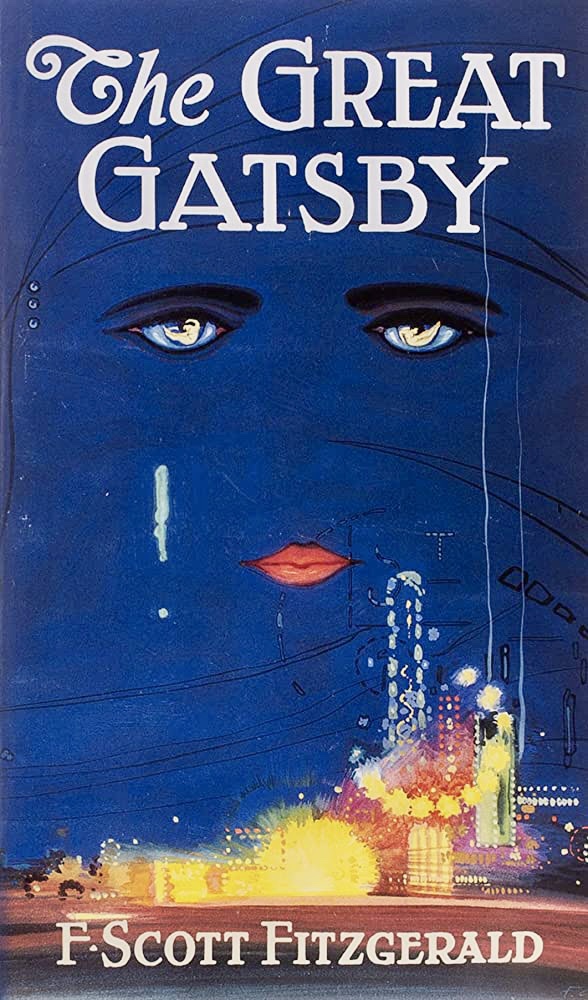
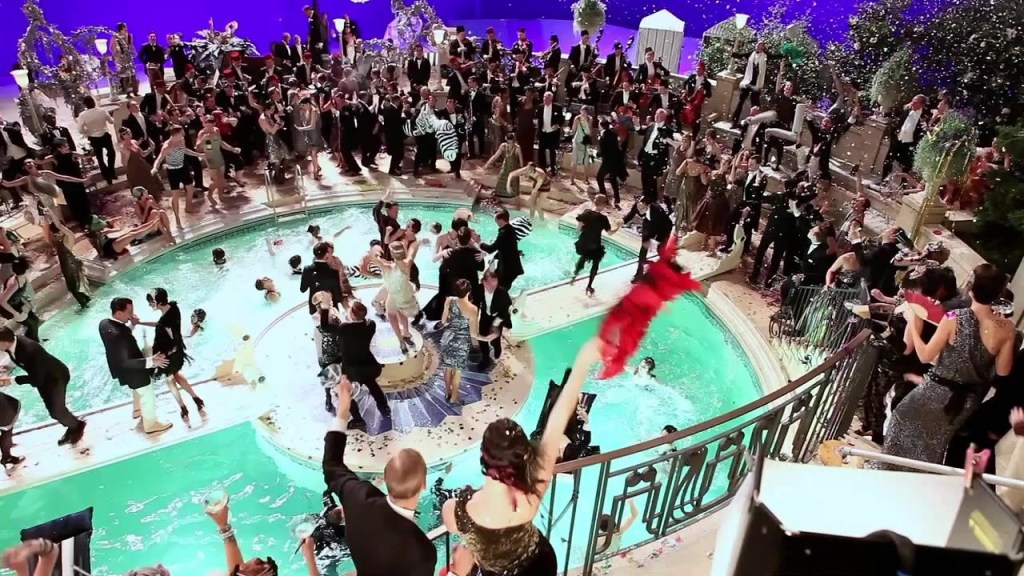
55 The Great Gatsby / F. Scott Fitzgerald
Okay, now we’re talking. The plot isn’t worthy of the book’s stature amongst The Literati, but Fitzgerald’s prose is delightful to read. I’d actually like to check out his other works based solely on my appreciation of this book.
56 Meditations / Marcus Aurelius
Aurelius was a Roman Emperor and a Stoic, which is all about living an ethical & virtuous life in harmony with nature, or something to that effect. I enjoy reading little snippets of philosophy here & there, but it is unlikely that I’d put forth the effort to read an entire book about it. It is a relatively short one though, so never say never.
57 Hunger / Knut Hamsun
Not to be confused with The Hunger Games, it is the adventure of a starving young man whose sense of reality gives way to delusion in late 19th century Norway. I’ve never heard of it and it doesn’t sound like my cup o’ tea, but it is essentially a long short story, so perhaps one day I’ll get a wild hair & decide to knock it out.
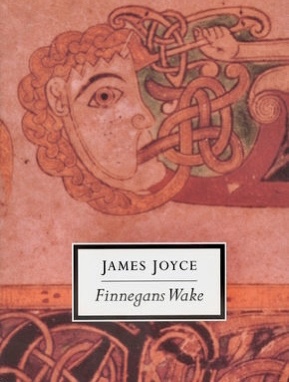
58 Finnegan’s Wake / James Joyce
Joyce is neck & neck with Dostoyevsky at this point. Wake is a notoriously difficult read due to the author’s wacky style & use of language, which I guess is his thing. Personally, I’d like to think that if I ever write a book my aim would be to create something eminently readable that people would enjoy because that’s just how I roll. There’s actually a 2003 parody novel called Gilligan’s Wake that sounds like alot more fun.
59 Heart of Darkness / Joseph Conrad
Did you know that this book inspired the classic 1979 film Apocalypse Now?? That alone makes it worth reading, along with the fact that it’s essentially a longer short story, or a novella if you prefer that terminology. I’ve also heard good things about Conrad’s novel Lord Jim, so perhaps it’ll be a twofer someday.
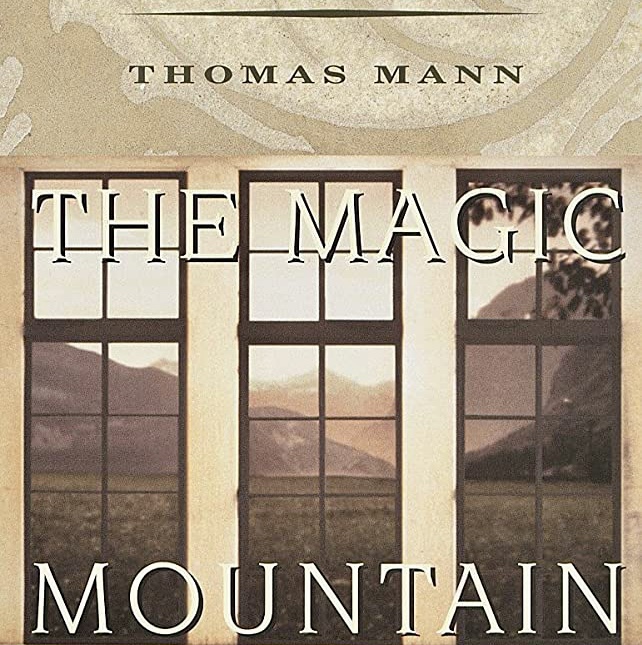
60 The Magic Mountain / Thomas Mann
No, it’s not about Disney World. It’s actually a German novel set in a mental hospital in the years leading up to World War I. I’ve never heard of it, and though it doesn’t sound totally horrible it’s not something to which I feel drawn.
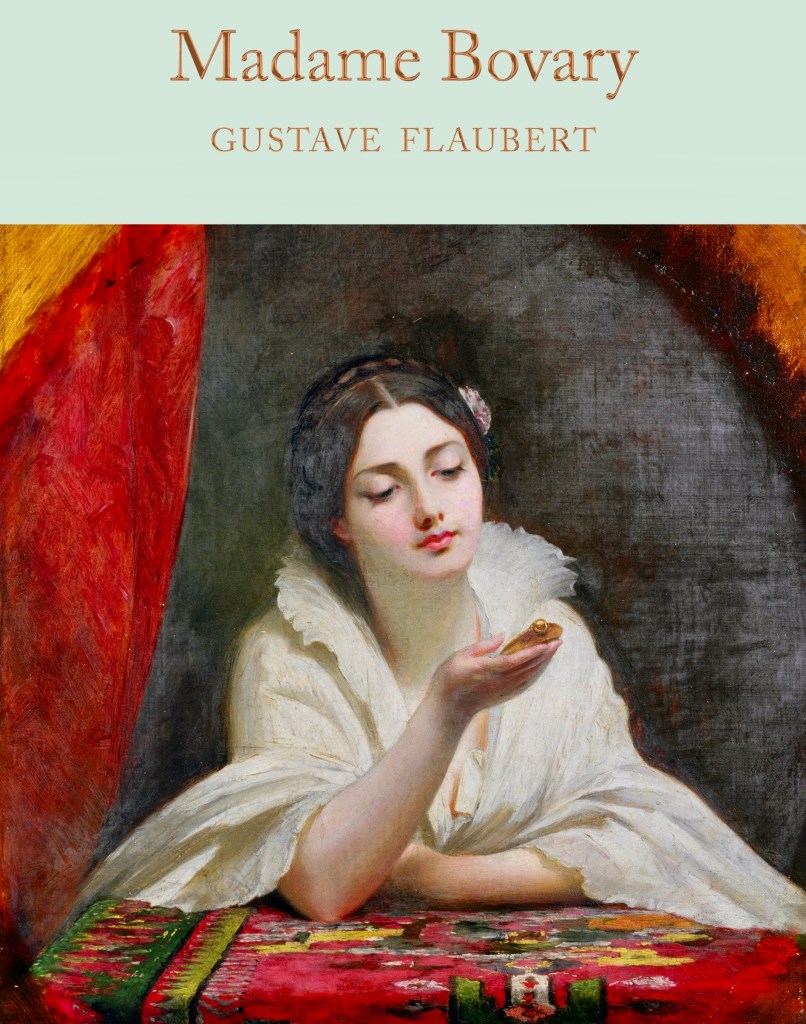
61 Madame Bovary / Gustave Flaubert
It is essentially the 19th century literary version of a chick flick, but unless Tom Hanks & Meg Ryan are showing up it really doesn’t frost my cupcake.
62 The Crying of Lot 49 / Thomas Pynchon
Pynchon is getting a lot of love from the folks at /lit/, and after reading the description I am inclined to give this one a whirl. Could I become a Pynchon fan?? Maybe.
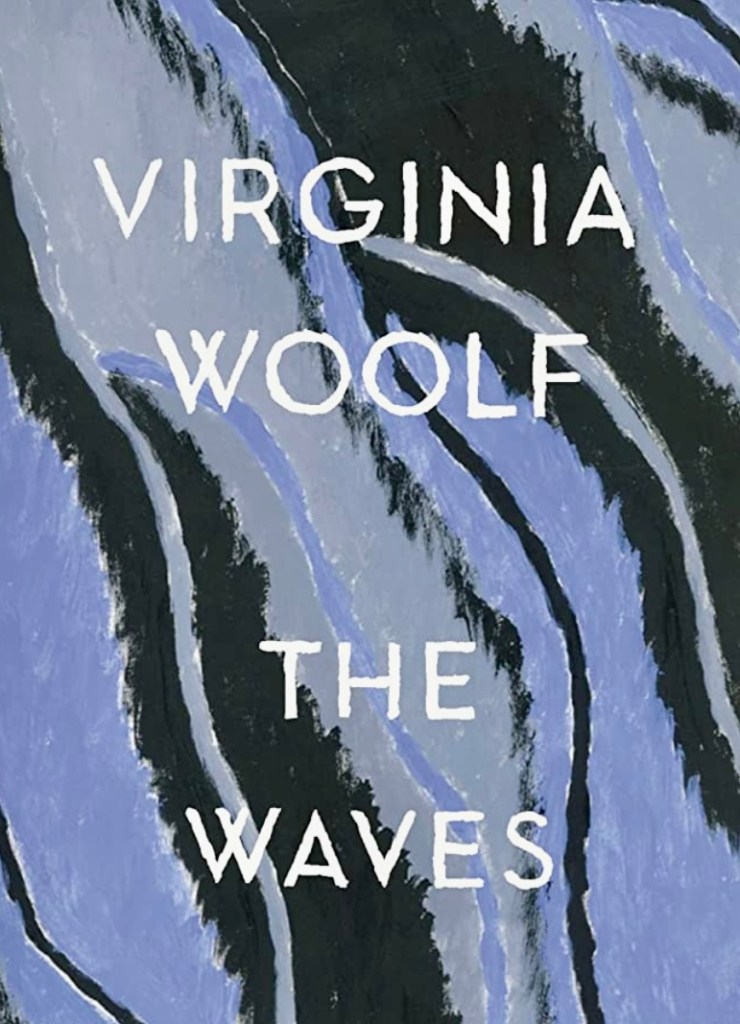
63 The Waves / Virginia Woolf
It “follows six narrators from childhood through adulthood…concerned with individual consciousness and the ways in which multiple consciousnesses can weave together”. Okay, I’m a bit intrigued. It’s a maybe.
64 Invisible Cities / Italo Calvino
It is written as a conversation between famous explorer Marco Polo and Chinese Emperor Kubla Khan, interspersed with brief poems that are “parables or meditations on culture, language, time, memory, death, and the general nature of human experience”. I’ve never heard of it and it doesn’t necessarily sound like my thing. However, it’s pretty short and I feel like it could be a pleasant surprise.
65 American Psycho / Bret Easton Ellis
Wow…okay…it was written in 1991 when I was in college, making it a “modern classic”. There was a movie adaptation starring Christian Bale that never sounded like my cup o’ tea because I’m not into serial killer stuff. That probably won’t change.
66 The Sun Also Rises / Ernest Hemingway
I am fascinated by Hemingway. The setting is the Running of the Bulls in Pamplona, Spain in the early 20th century. I’m in!!
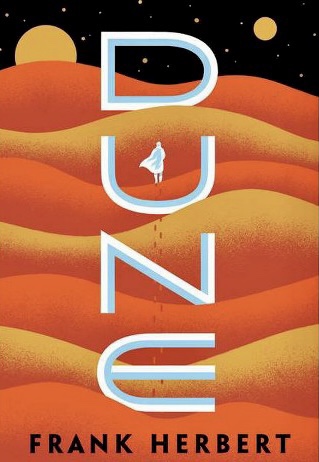
67 Dune / Frank Herbert
I dip my toe in sci-fi, but I am picky. Bleak, post-apocalyptic type stuff usually doesn’t interest me. It has been adapted into films twice, neither of which I’ve seen. It’s likely a no for me.
68 To the Lighthouse / Virginia Woolf
It is described as “a remarkable, moving examination of the complex tensions and allegiances of family life and the conflict between men and women.” Okay. Maybe, but probably not.
69 The Grapes of Wrath / John Steinbeck
Yes. Absolutely. Someday. I’m all in on Steinbeck. This is an issue of Me vs. My Procrastination.
70 Dead Souls / Nikolai Gogol
More 19th century Russian literature. I’ve never heard of it, and will likely never give it a second thought.
71 Naked Lunch / William Burroughs
Calm down. No one is hanging out at the local diner in the nude. There are laws. At any rate, it’s actually a series of loosely connected, drug induced vignettes. Hey man, it was (almost) the 60s. I guess Burroughs was ahead of his time. I don’t know…maybe.
72 The Trilogy / Henryk Sienkiewicz
Obviously it was written way before films or else it’d have a more specific title. There are actually three books in four volumes…historical fiction centered on 17th century Poland. No thanks. I think I’ll just eat some kielbasa and call it a day.
73 White Noise / Don DeLillo
Racist!! Okay, I’m joking. We all know that Black Noise would definitely get canceled though. Anyway, this book was actually released in 1985. It examines contemporary family life and satirizes academia, all thru the eyes of a college professor who teaches kids about Hitler. A film adaptation starring Adam Driver (aka Kylo Wren) & Don Cheadle was released just last year. I am more inclined to watch the movie first and decide if the book might be worth my time. I know that isn’t the way it’s supposed to be done, but I’m a rebel.
74 Absalom Absalom / William Faulkner
Faulkner is getting some love from the nerds on /lit/. I’ve heard about this book for years. My Bible thumpers know that Absalom was one of King David‘s sons who turned against his father and paid for it with his life. I’m guessing the book’s plot is somehow loosely based on that general concept, and I am willing to eventually confirm that assumption.
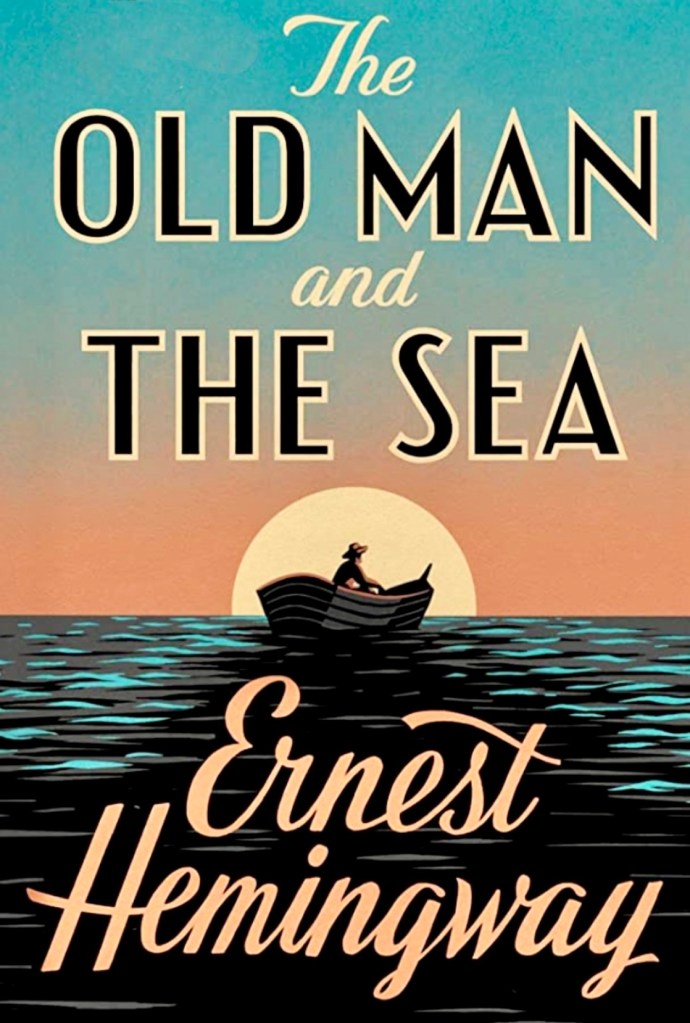
75 The Old Man & The Sea / Ernest Hemingway
I’ve read it & it’s fantastic. It is actually a novella, which means it’s longer than a short story but shorter than a novel. I don’t know what the parameters are or who makes the rules.
Please stay tuned for the conclusion of our little project…coming soon!!













 The Manofesto